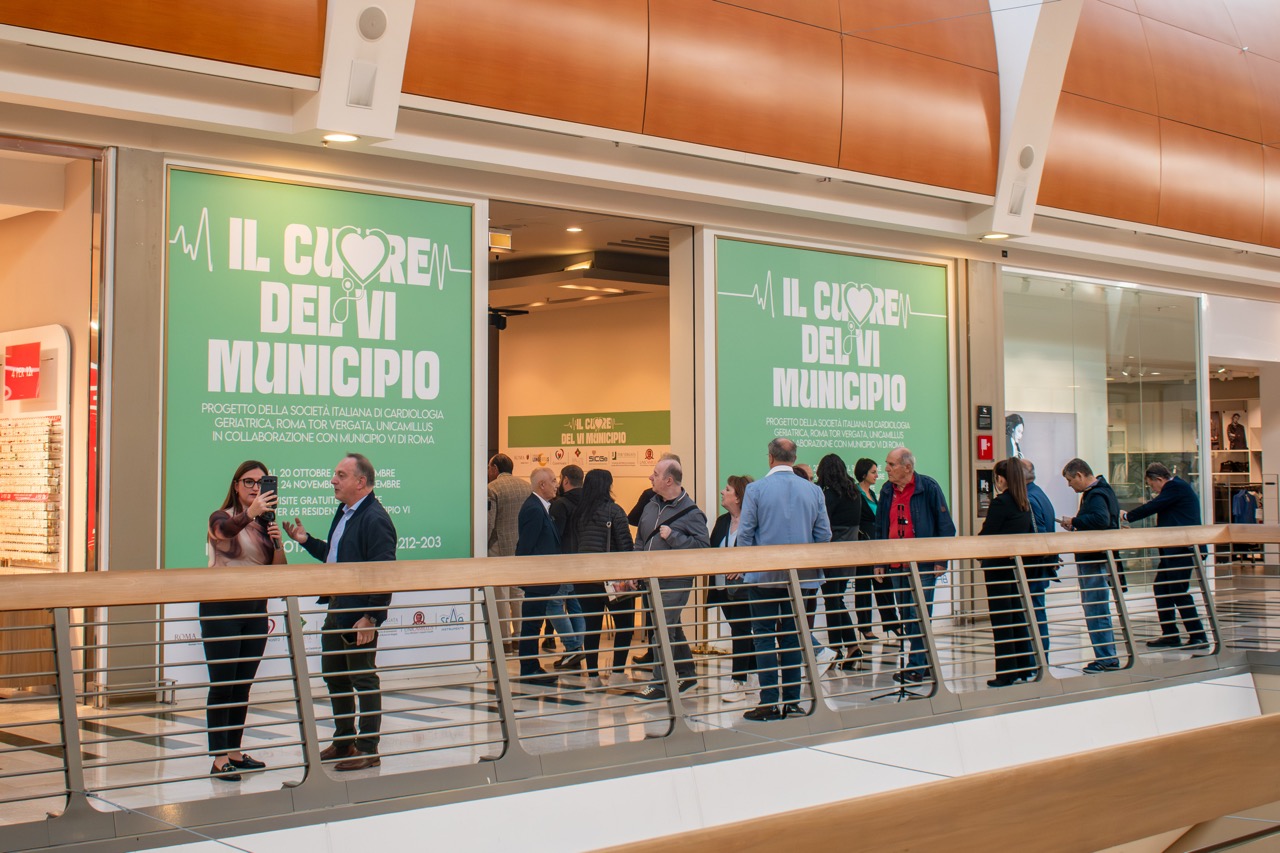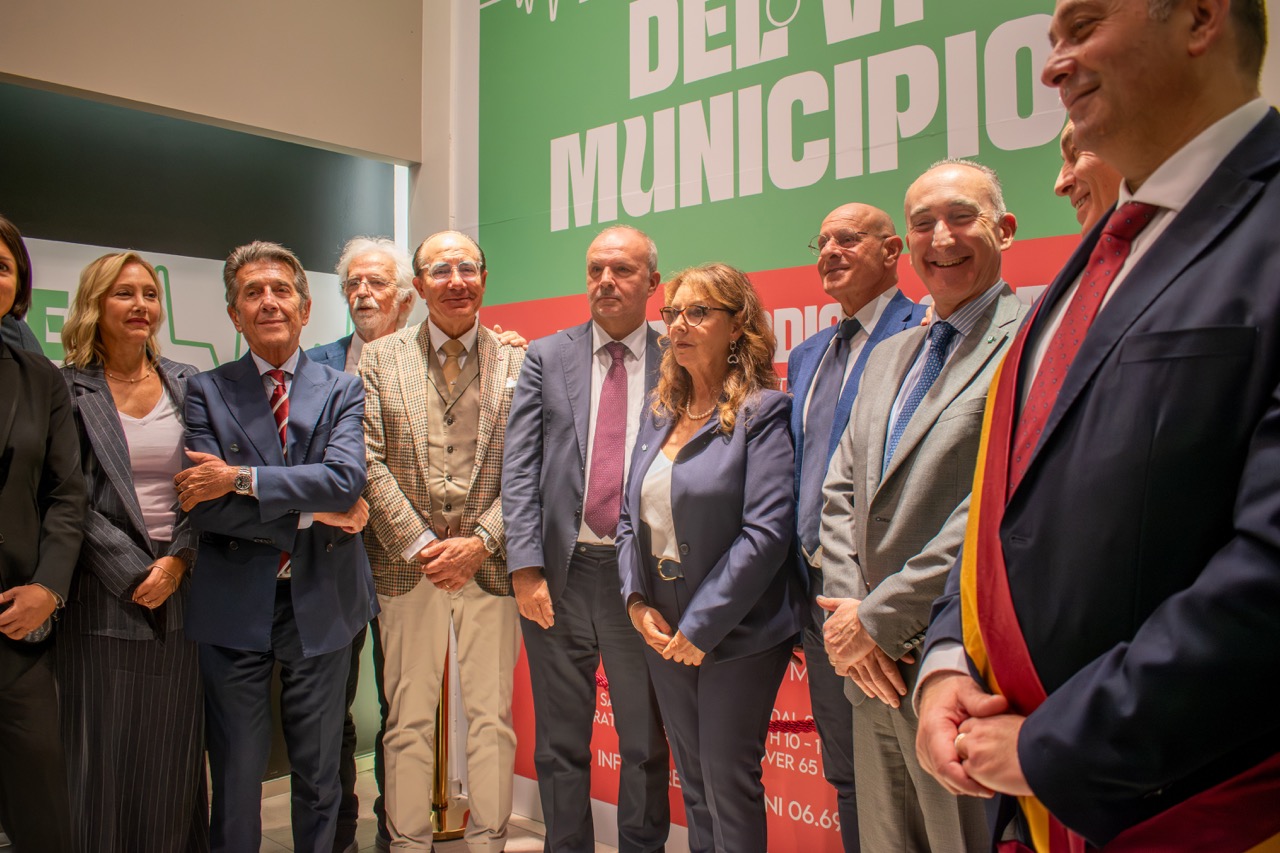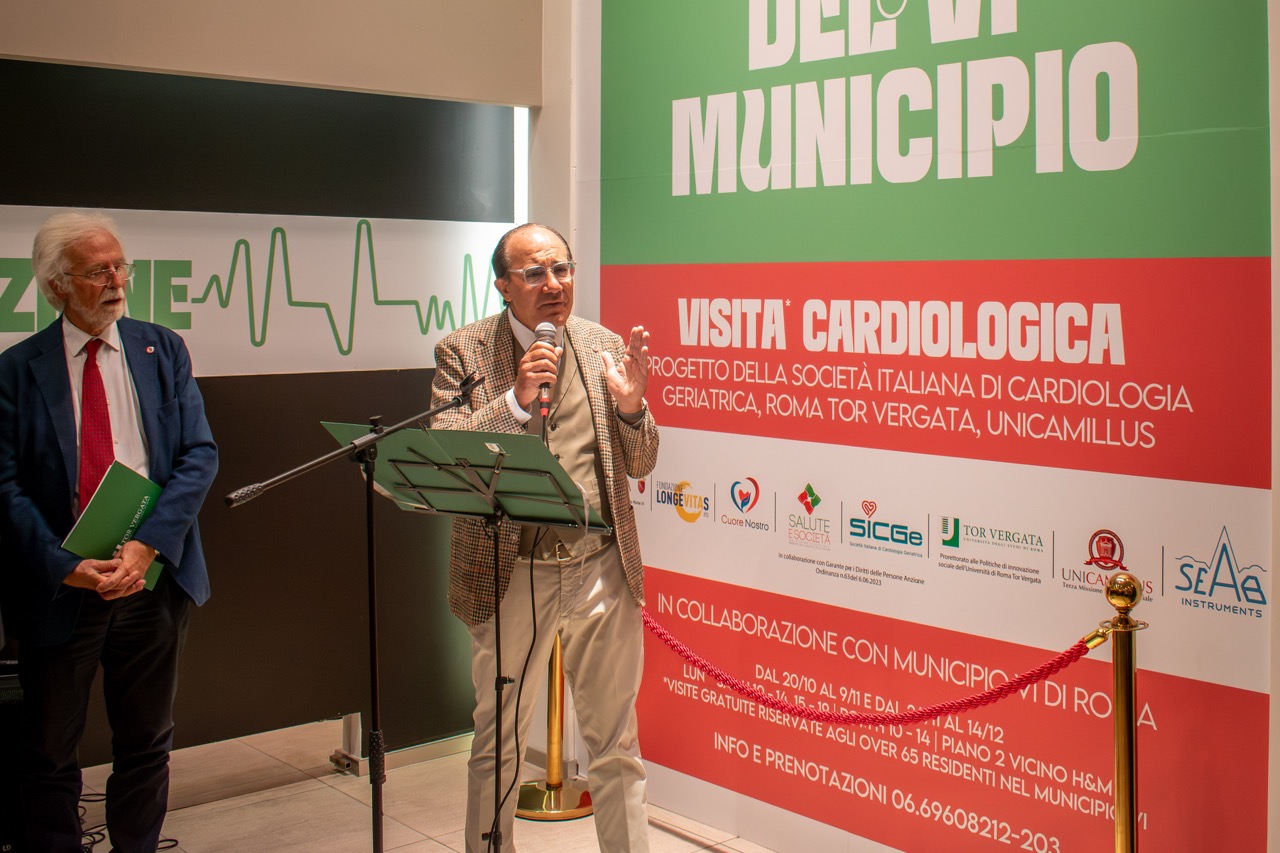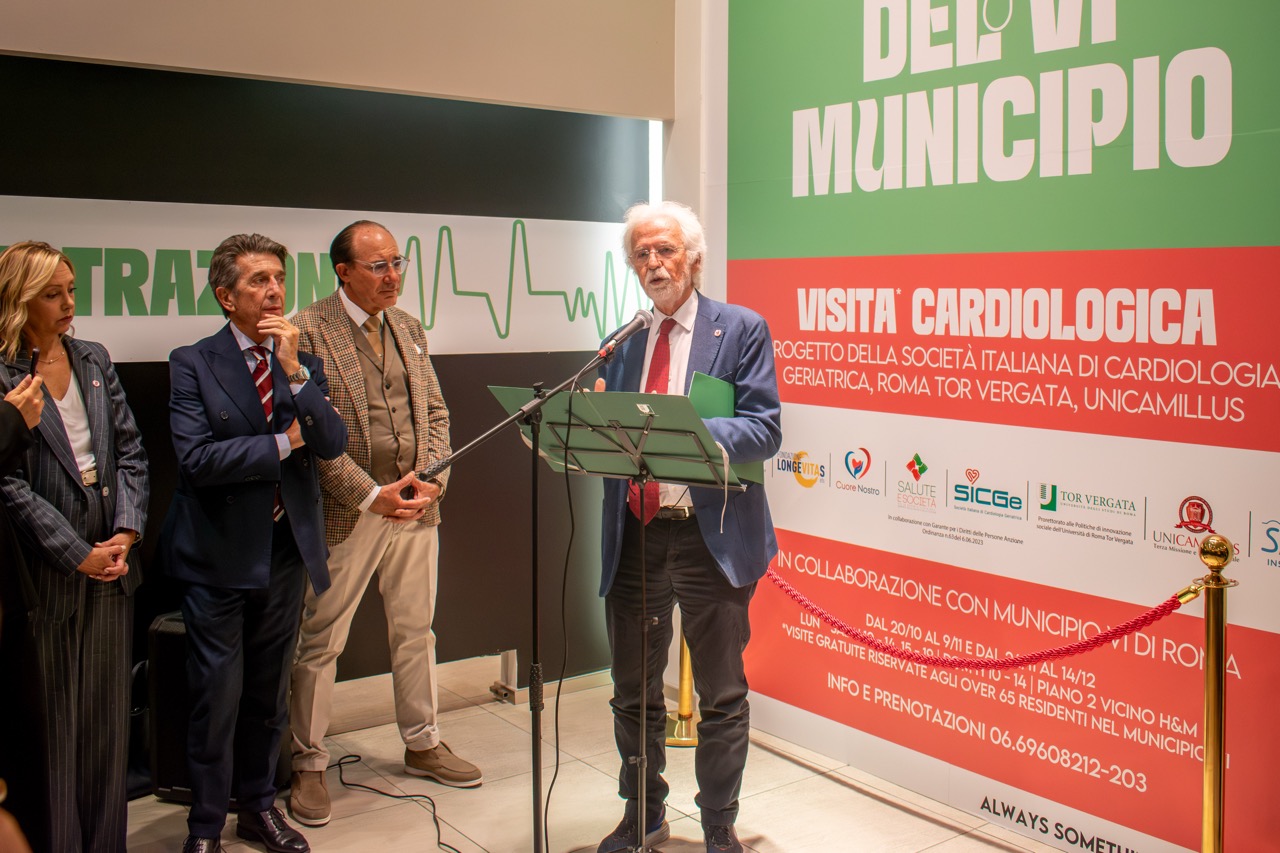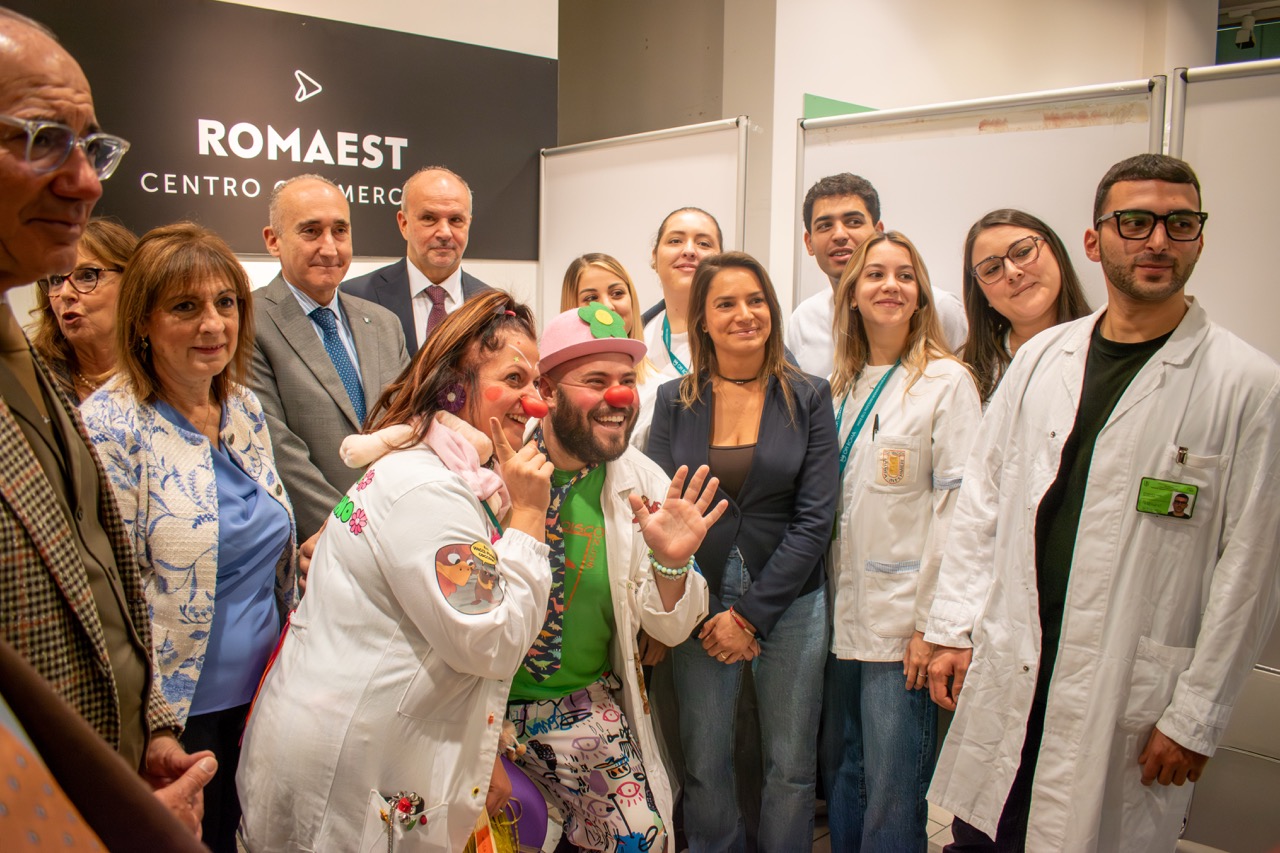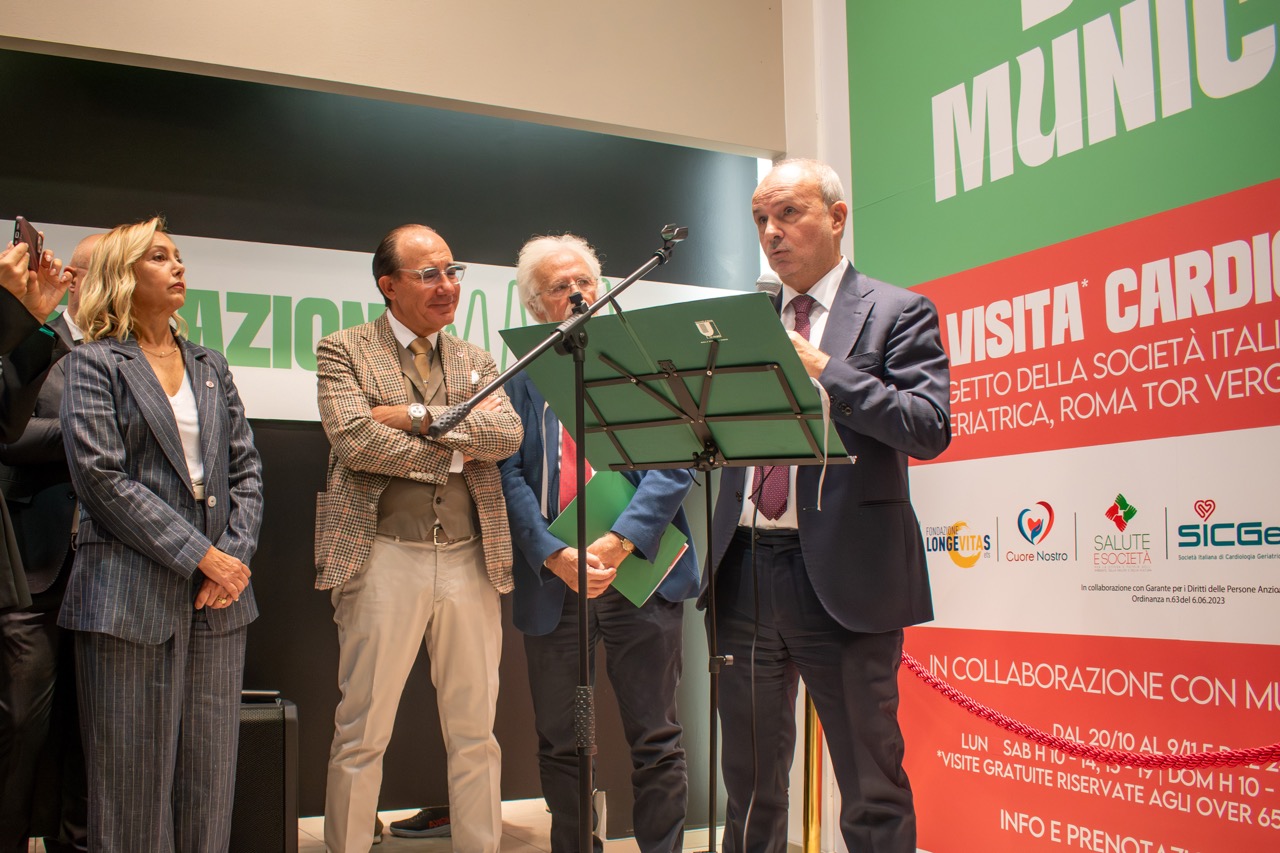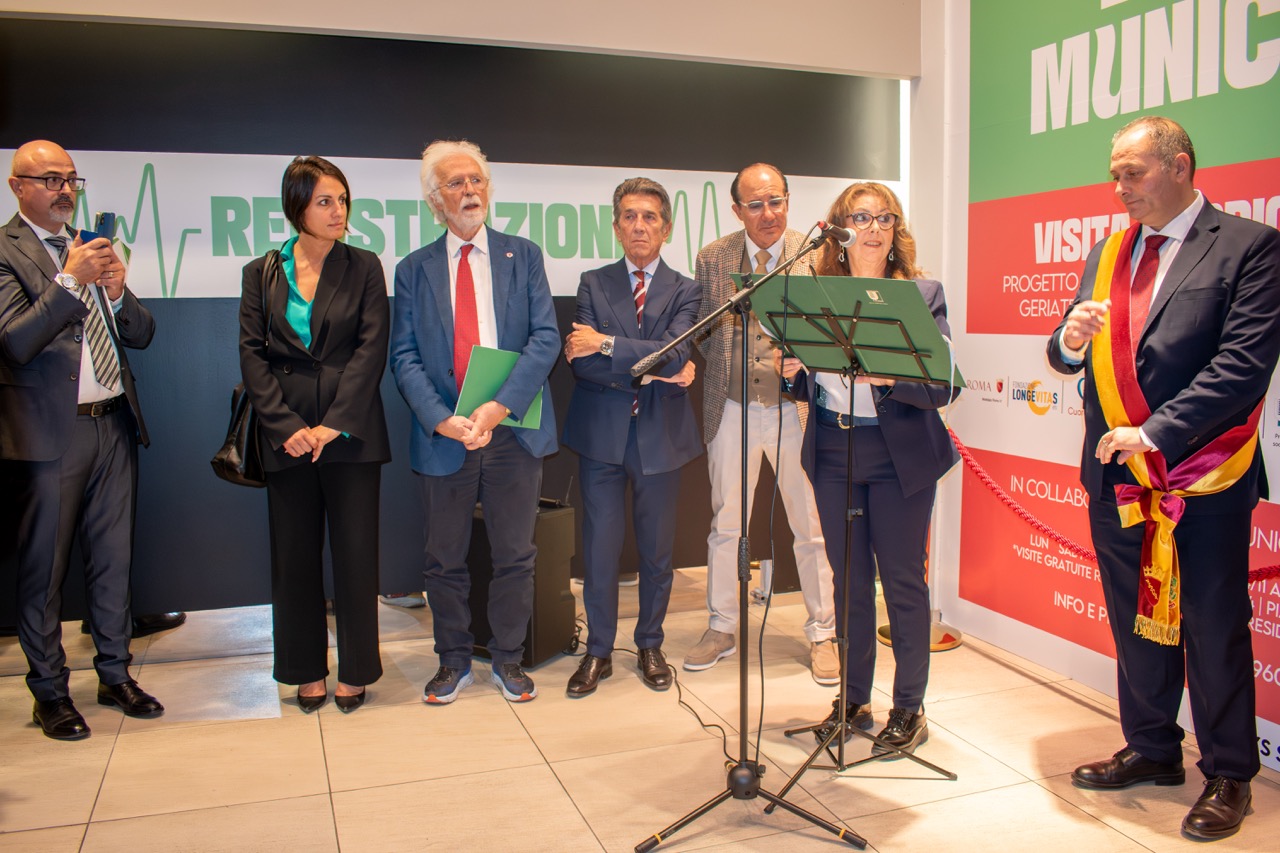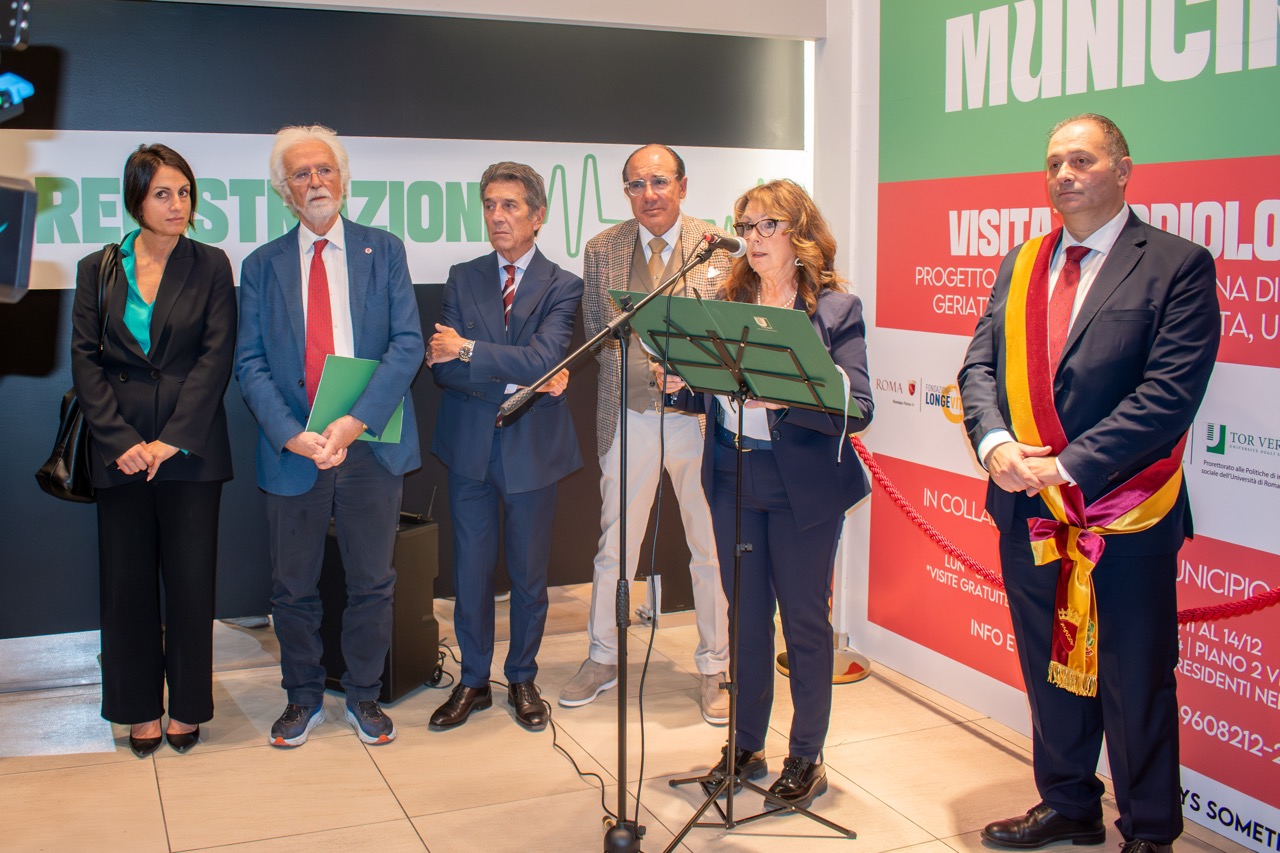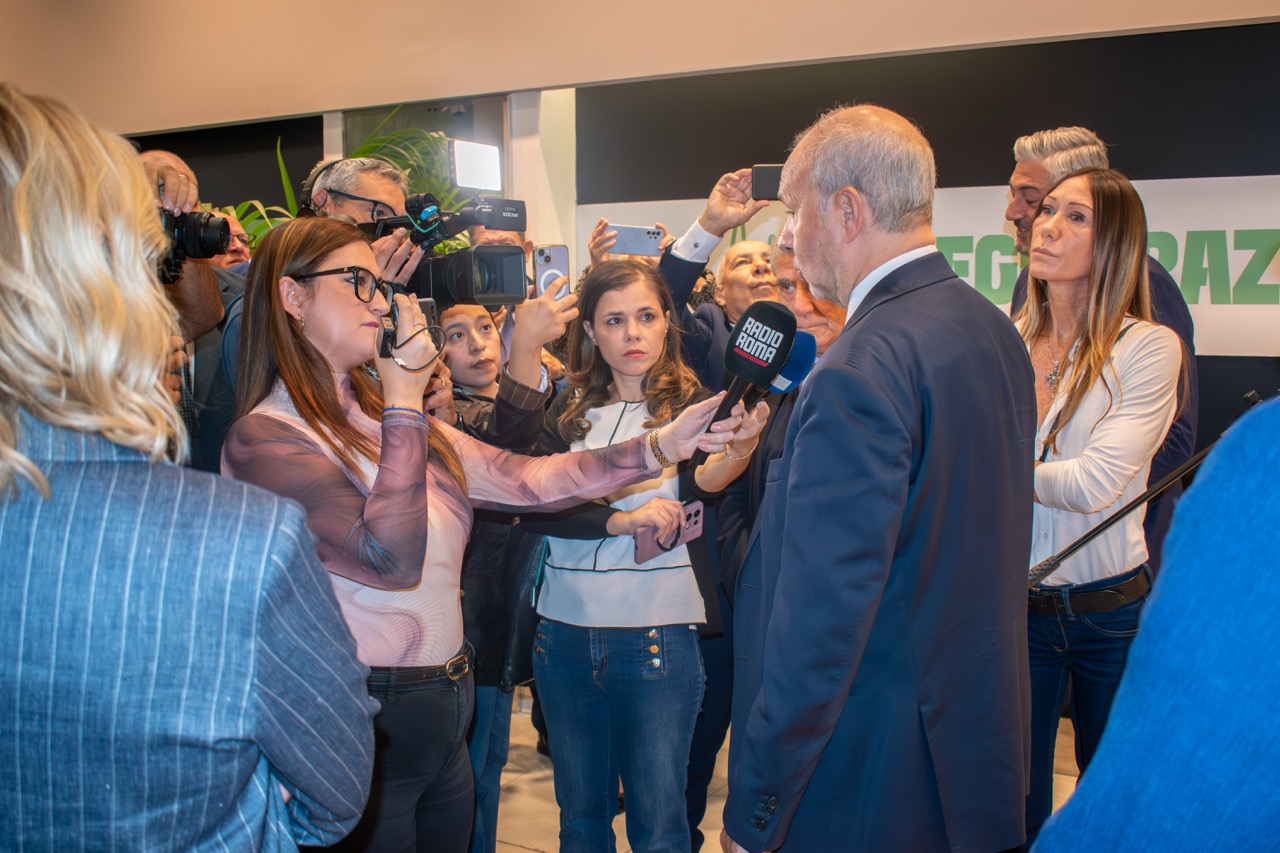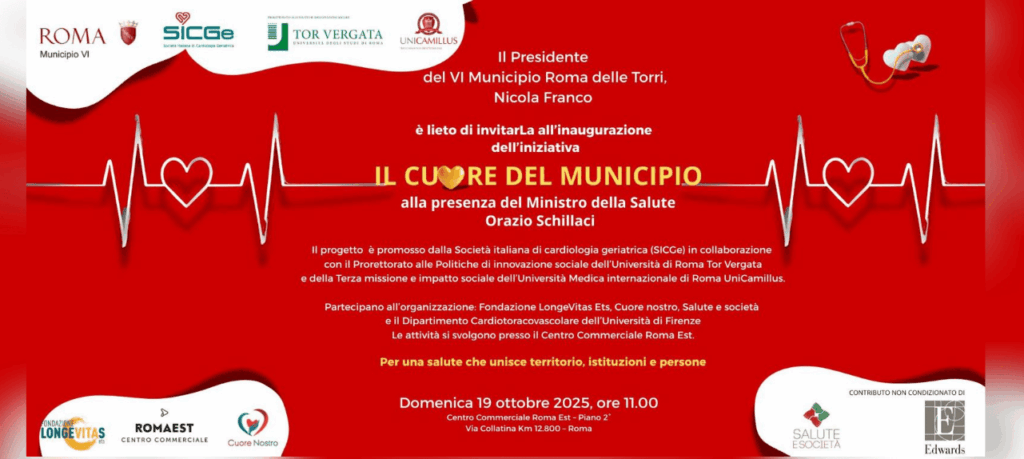
The project will be inaugurated on Sunday 19th October at 11am at the Roma Est shopping centre (second floor, Via Collatina Km 12.800), with the Minister of Health, Orazio Schillaci, joining the event.
Organised by the Italian Society of Geriatric Cardiology (SICGe), in collaboration with the Prorectorate for Social Innovation Policies at the University of Rome Tor Vergata, the Third Mission and Social Impact Office of UniCamillus University, and Rome’s 6th District (Municipio VI), the initiative involves several partners: Fondazione Longevitas, Cuore Nostro, Salute e Società ODV, and the Cardiothoracic-Vascular Department of the University of Florence, with the support of an unrestricted grant from Edwards Lifesciences Europe.
Project dates and operating procedures
Following the inauguration, the ‘Il Cuore del VI Municipio’ project will officially operate from the 20th of October to the 9th of November, and again from the 24th of November to the 14th of December 2025. During this six-week period, free cardiological check-ups will be offered to citizens over the age of 65 living in Rome’s 6th District (Municipio VI). “Once again, the municipal administration is demonstrating its ability to create synergies with the area’s leading institutions”, comments Nicola Franco, President of Rome’s 6th District (Municipio VI – Le Torri). “This includes the University of Rome Tor Vergata, UniCamillus, Fondazione Longevitas, the Italian Society of Geriatric Cardiology, Cuore Nostro, Salute e Società ODV, the Cardiothoracic-Vascular Department of the University of Florence, and the owners of the Roma Est shopping centre. They are opening up to the local community and offering citizens important opportunities for health protection”.The examinations will take place from Monday to Saturday (10am–2pm and 3pm–7pm) and on Sundays (10am–2pm) at the Roma Est Shopping Centre. They will include a cardiological examination, an electrocardiogram (ECG), an echocardiogram, and a questionnaire to identify individual cardiovascular risk profiles.
Cardiovascular prevention: from the success of PREVASC 1 to PREVASC 2
Data collected during these check-ups will contribute to the PREVASC 2 (PREvenzione cardioVASColare) project. This initiative aims to combine cardiovascular prevention with a socio-health evaluation of people over 65, with a particular focus on socio-economic vulnerability and overall well-being. Approximately 1,800 elderly people living in Rome’s 6th District (Municipio VI) will take part in the project, which adopts an integrated approach combining nursing questionnaires, cardiological examinations and diagnostic screening. Building on the success of PREVASC 1, which involved monitoring 1,500 elderly people across 10 Italian villages, PREVASC 2 will concentrate its efforts on Rome’s 6th District (Municipio VI).“Our previous findings show that the community-based prevention model is highly effective in encouraging participation. Moreover, it is widely recognised that low socio-economic status is a significant risk factor for cardiovascular disease, mainly due to limited awareness and barriers to accessing healthcare services. Therefore, it is essential to identify coordinated strategies that enhance both cardiovascular and general preventive measures, especially in areas with lower socio-economic conditions”, says Alessandro Boccanelli, the project’s scientific coordinator and lecturer in Moral Philosophy and Cardiovascular Diseases at UniCamillus University.
The role of universities
“This project is a tangible example of how the educational and scientific mission of the University can translate into real impact on people’s lives”, says Gianni Profita, Rector of UniCamillus. “Collaboration between universities, healthcare providers and local communities is fundamental to promoting a culture of prevention and building sustainable public health models. These kinds of synergies show how universities can be drivers of social and healthcare innovation, contributing to the well-being of the community, especially its most vulnerable members”.
“Thanks to this initiative we are fully expressing the university’s third mission: bringing knowledge and expertise to the local area in service of the people. It’s not just about being present; it’s about building lasting relationships and providing concrete responses to health needs. I would like to thank all our partners and reaffirm the university’s commitment to making public health more accessible and participatory”, says Nathan Levialdi Ghiron, Rector of the University of Rome Tor Vergata.
“Projects like this are an example of how universities can respond directly to the social and health needs of older people, by engaging with local areas and communities to promote well-being and health”, adds Rosaria Alvaro, Vice-Rector for Social Innovation Policies at Roma Tor Vergata.
The project also involves students on the BSc Nursing programme at Roma Tor Vergata, who will work alongside professionals in prevention and screening activities. This will contribute to their training and help develop a model of prevention and early diagnosis that can be replicated on a national scale. “Involving students strengthens the educational value of the project, as prevention is also learned through meeting people and building a shared culture of health”, explains Professor Alvaro. Donatella Padua, Associate Professor of Sociology and Third Mission Delegate at UniCamillus, defines the University’s role: “UniCamillus is particularly committed to connecting social and economic vulnerability with health-related vulnerability, offering an integrated perspective that also includes relational, emotional and socio-cultural factors. This innovative approach will help redefine the concept of socio-economic fragility and could prove crucial in improving health and well-being among the elderly population”.
The importance of community prevention
“In a country like ours, where 87% of people over 65 have at least one chronic condition and 60% have two or more, prevention at community level is essential”, says Dr Eleonora Selvi, President of the Fondazione Longevitas. “Early detection of cardiovascular disease and other chronic conditions is fundamental to improving quality of life and making our healthcare system more sustainable. In this context, the community approach enables us to reach segments of the population that are often harder to engage”.
The PREVASC 2 project represents an evolution of the community-based prevention model launched during the first phase, which laid the groundwork for a new paradigm of integrated action between healthcare, universities and civil society. The aim is to enable early detection of cardiovascular diseases that are widespread among the elderly population—such as atrial fibrillation, heart failure and valvular diseases—in order to prevent future complications and improve the quality of life of older adults in East Rome.
Citizens aged over 65 who are interested in taking part can book a free check-up by contacting the Presidency of Rome’s 6th District (Municipio VI – Le Torri) at the following numbers: +39 06 69608212 – +39 06 696082.
Browse the Gallery