This extraordinary find sheds light on the origins of the Etruscan civilisation in the heart of Tuscia. In Barbarano Romano, in the province of Viterbo, more specifically in the San Giuliano area, an intact burial tumulus dating back to the late 7th century BC and the Orientalising period has been discovered. This exceptional discovery is set to significantly enrich our understanding of the Etruscan funerary world.
The key role of the Virgil Academy and Baylor University
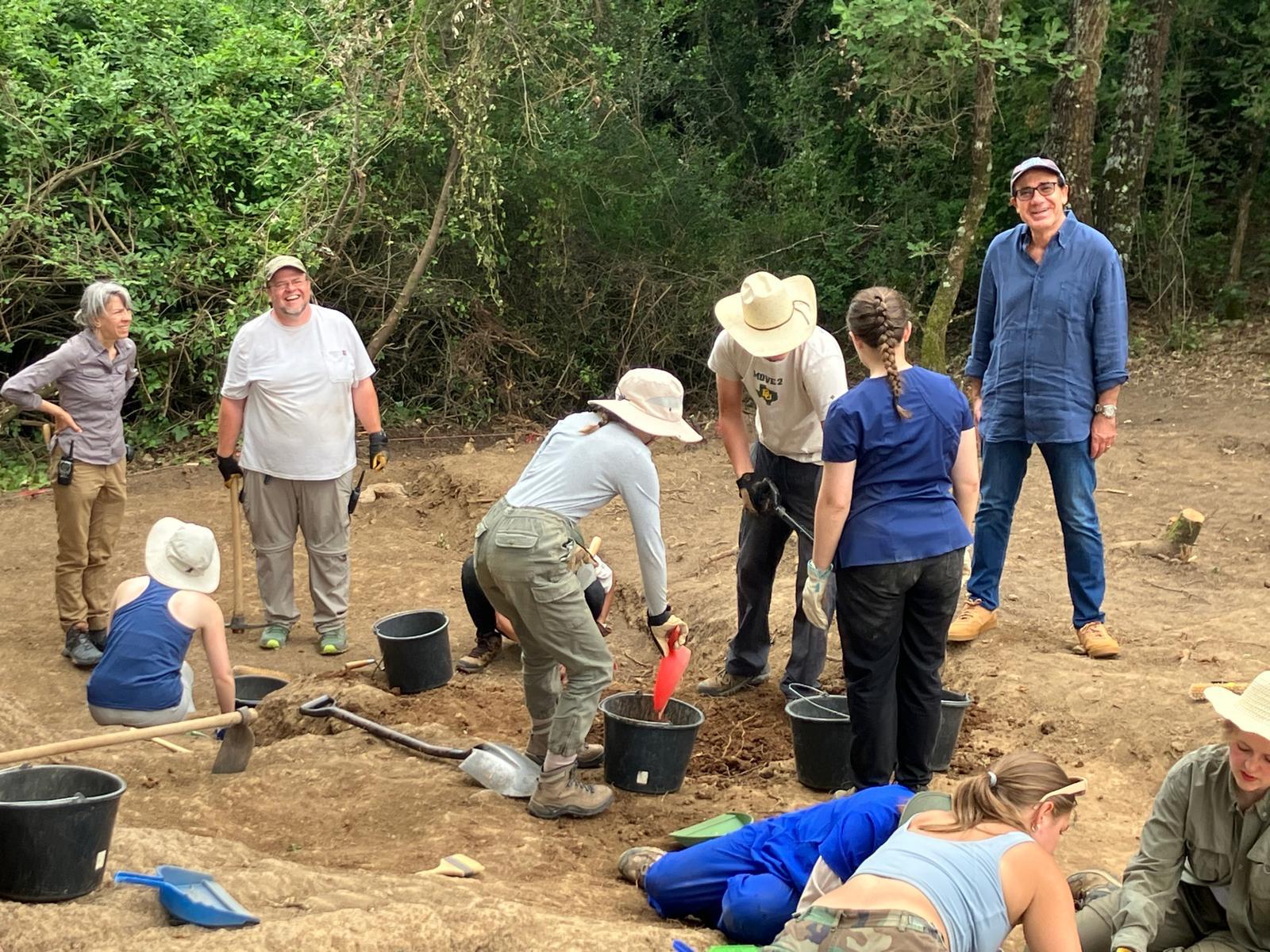
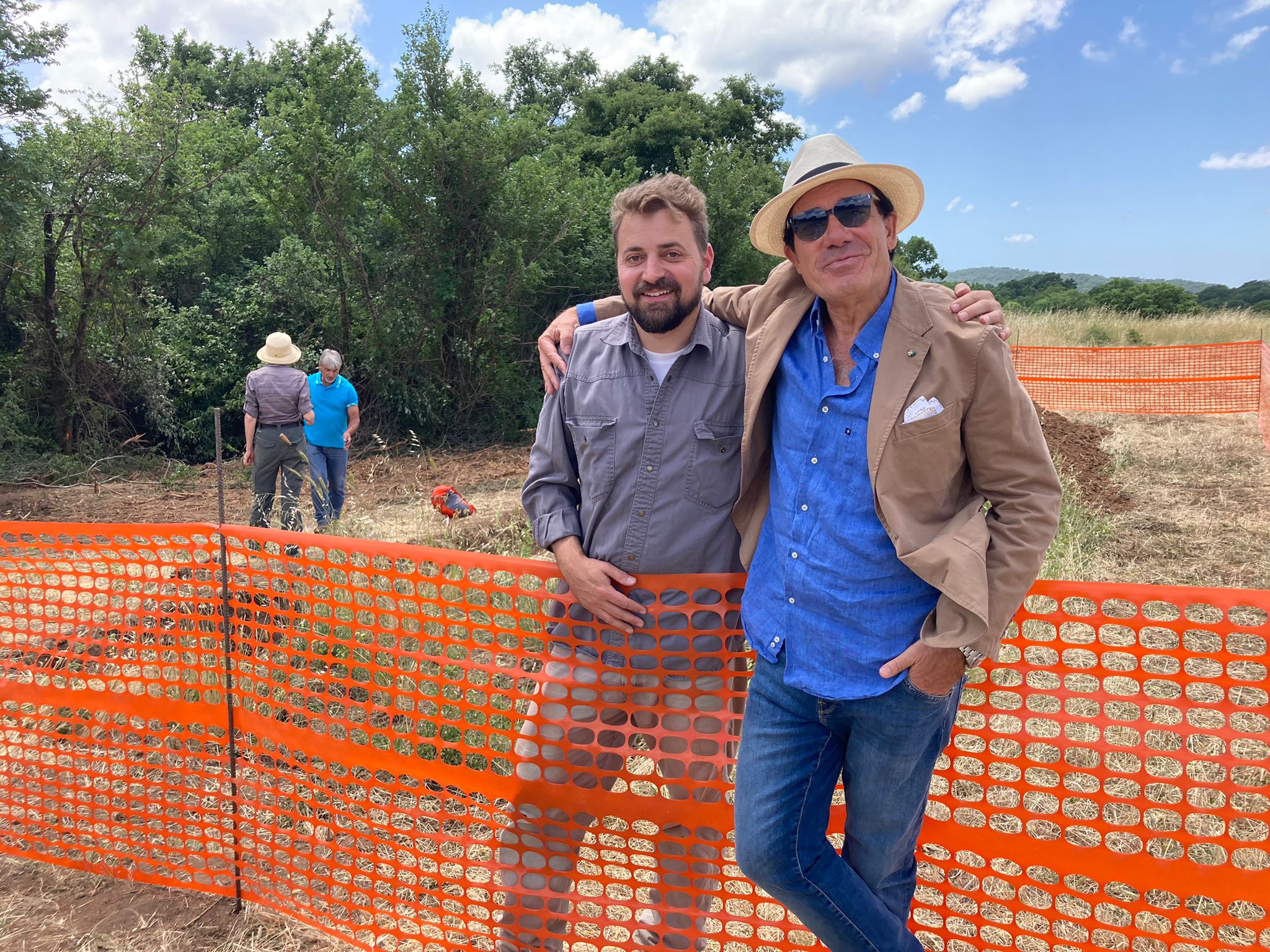
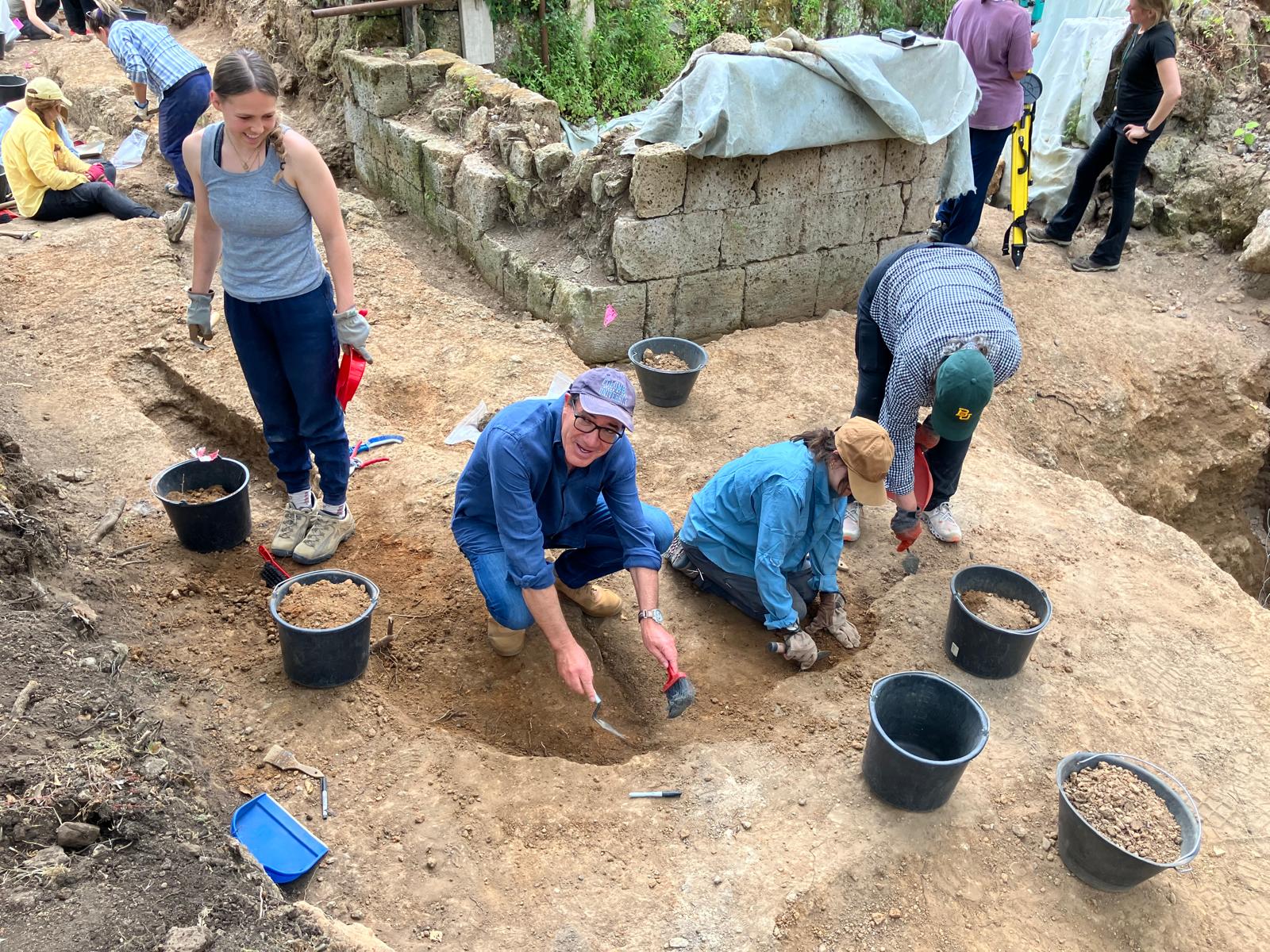
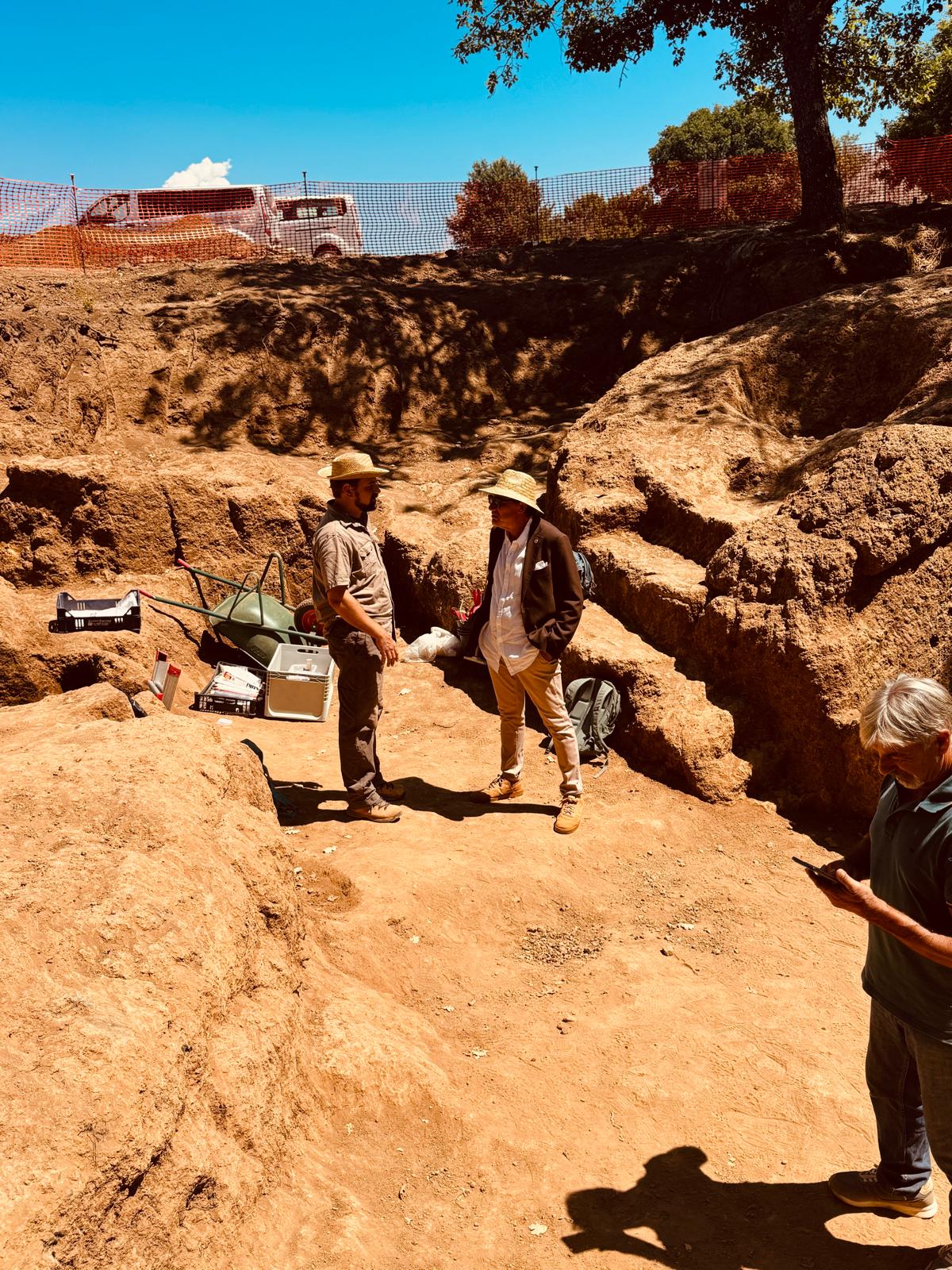
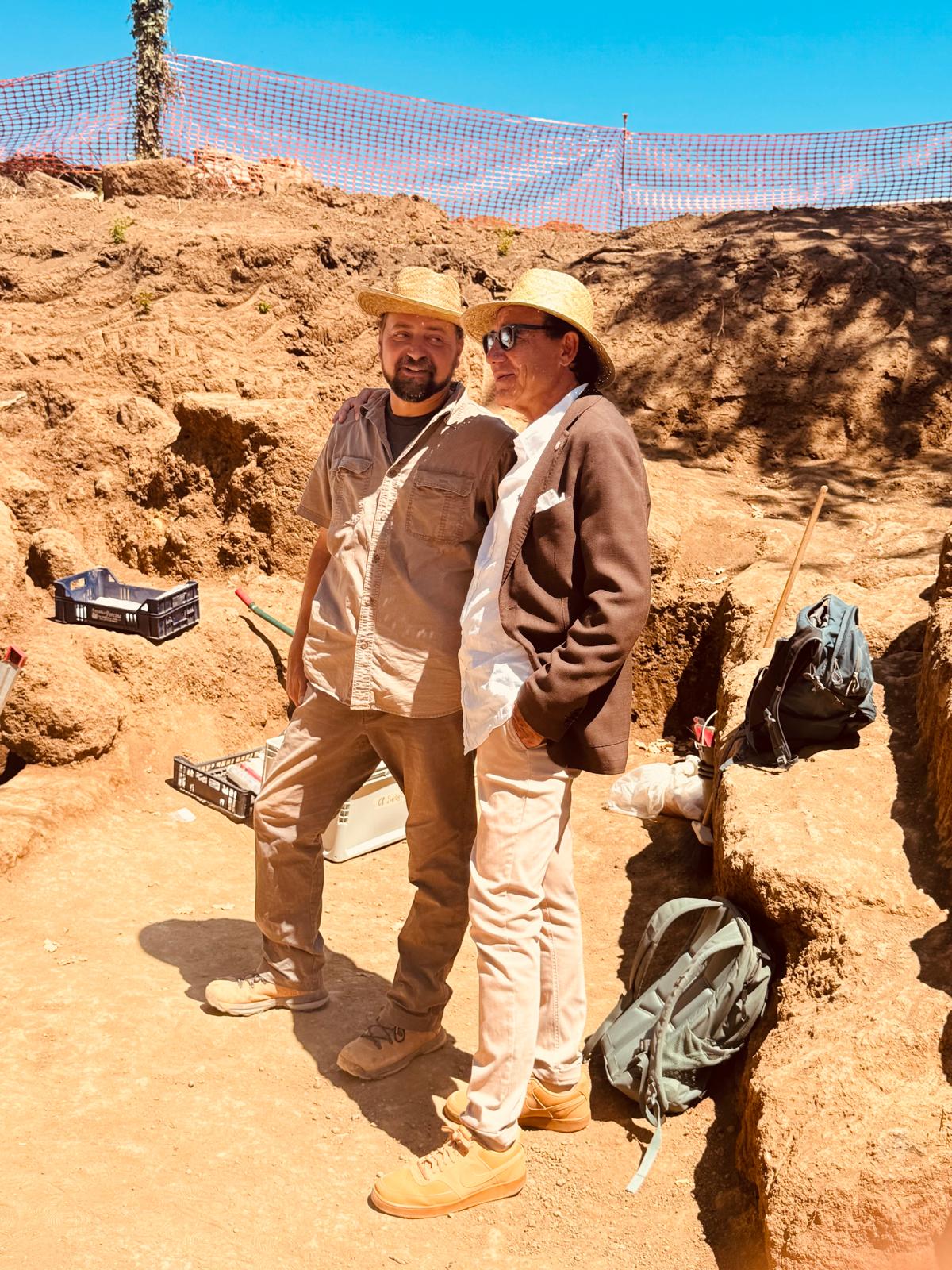
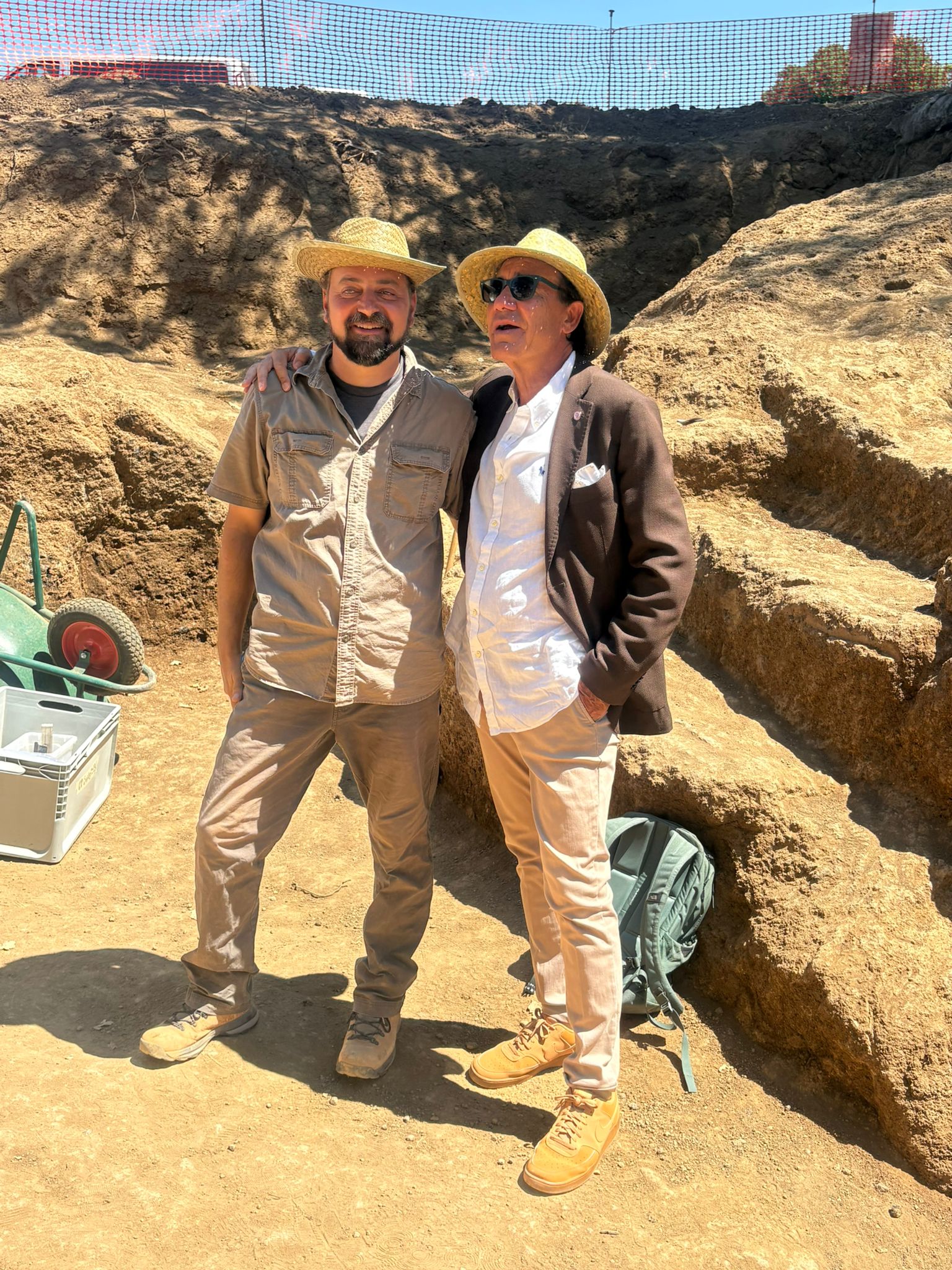
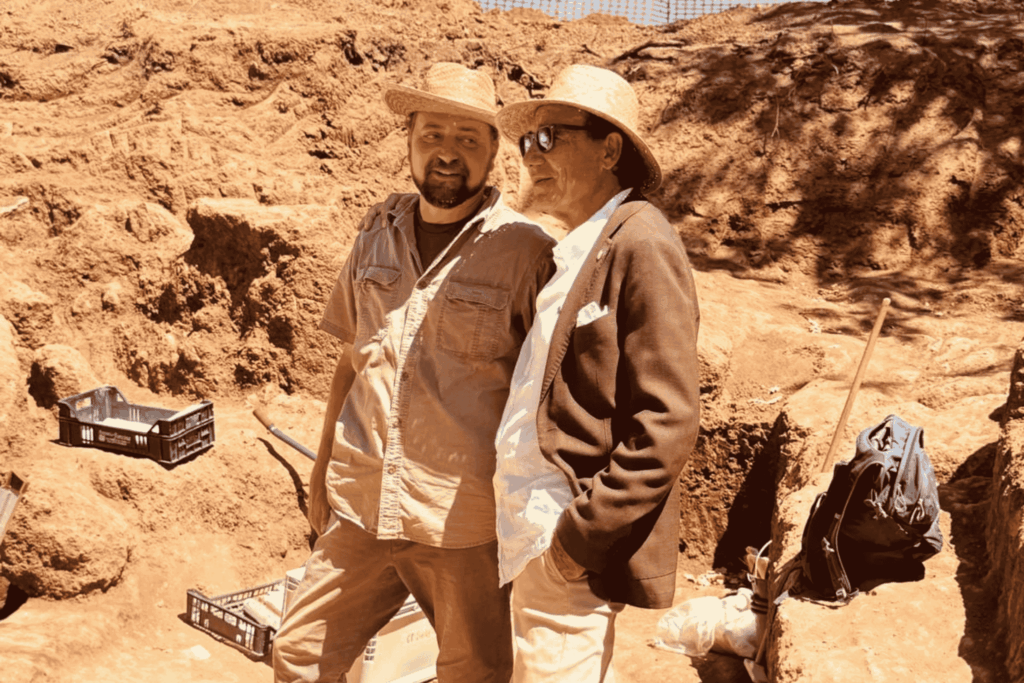
The discovery was made during an excavation campaign led by Baylor University, Texas, USA, under the scientific direction of archaeologist and lecturer Davide Zori. At the heart of this lies the work of the Virgil Academy, a philanthropic organisation founded by Gianni Profita, Rector of UniCamillus University. Since 2016, the Virgil Academy has consistently been granted ministerial authorisation for excavation and research activities on the San Giuliano plateau.
Intact grave goods
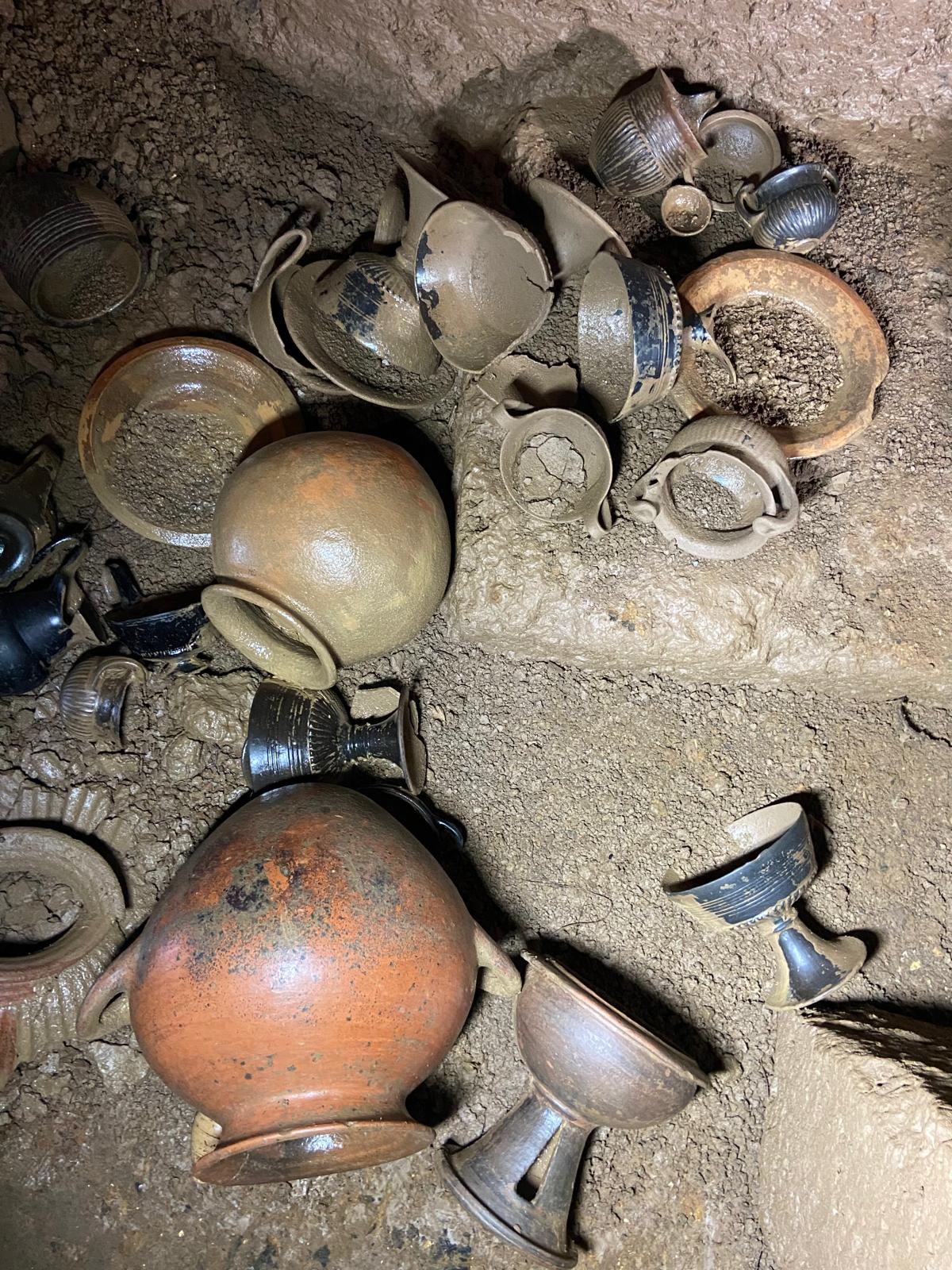
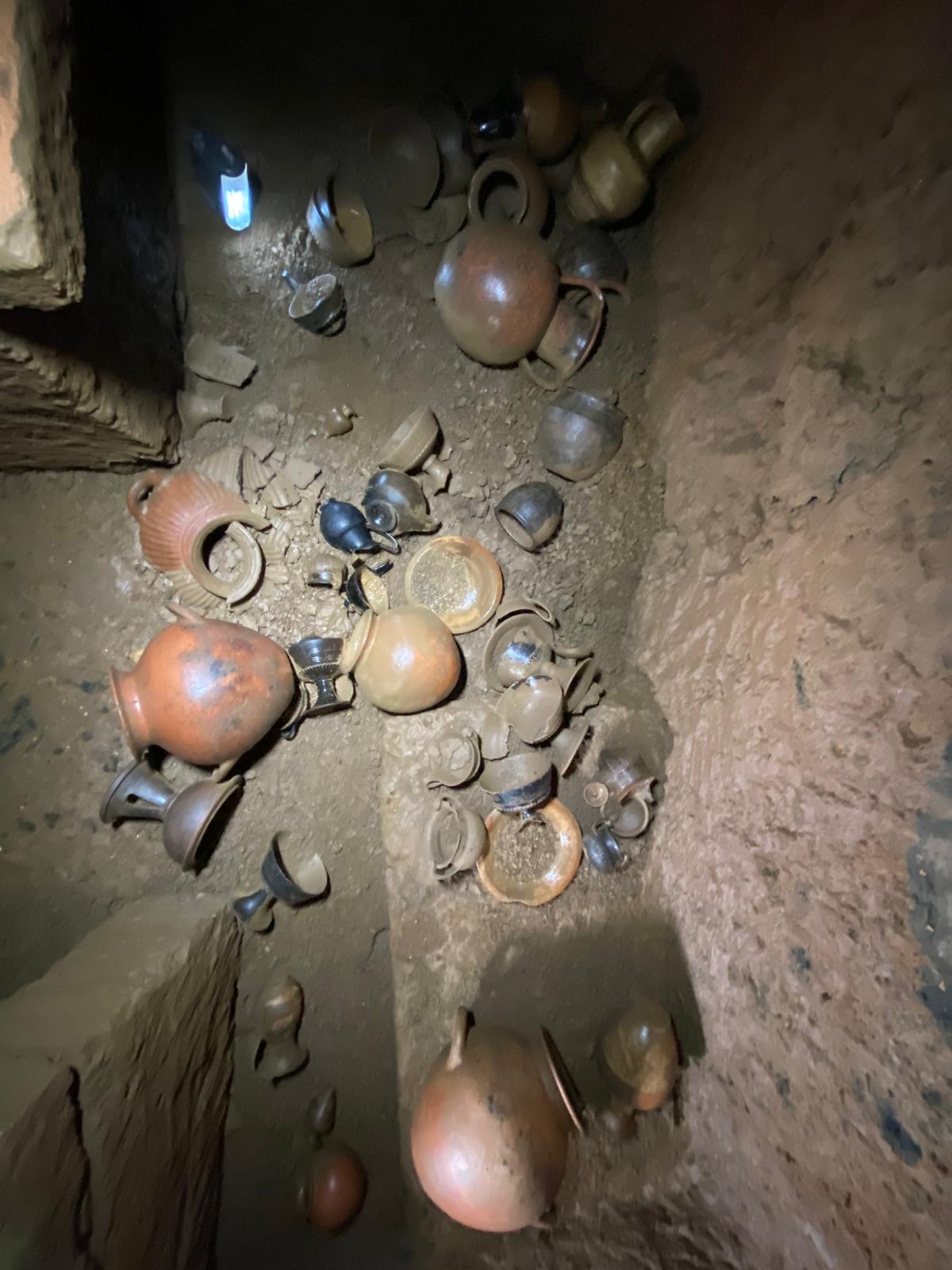
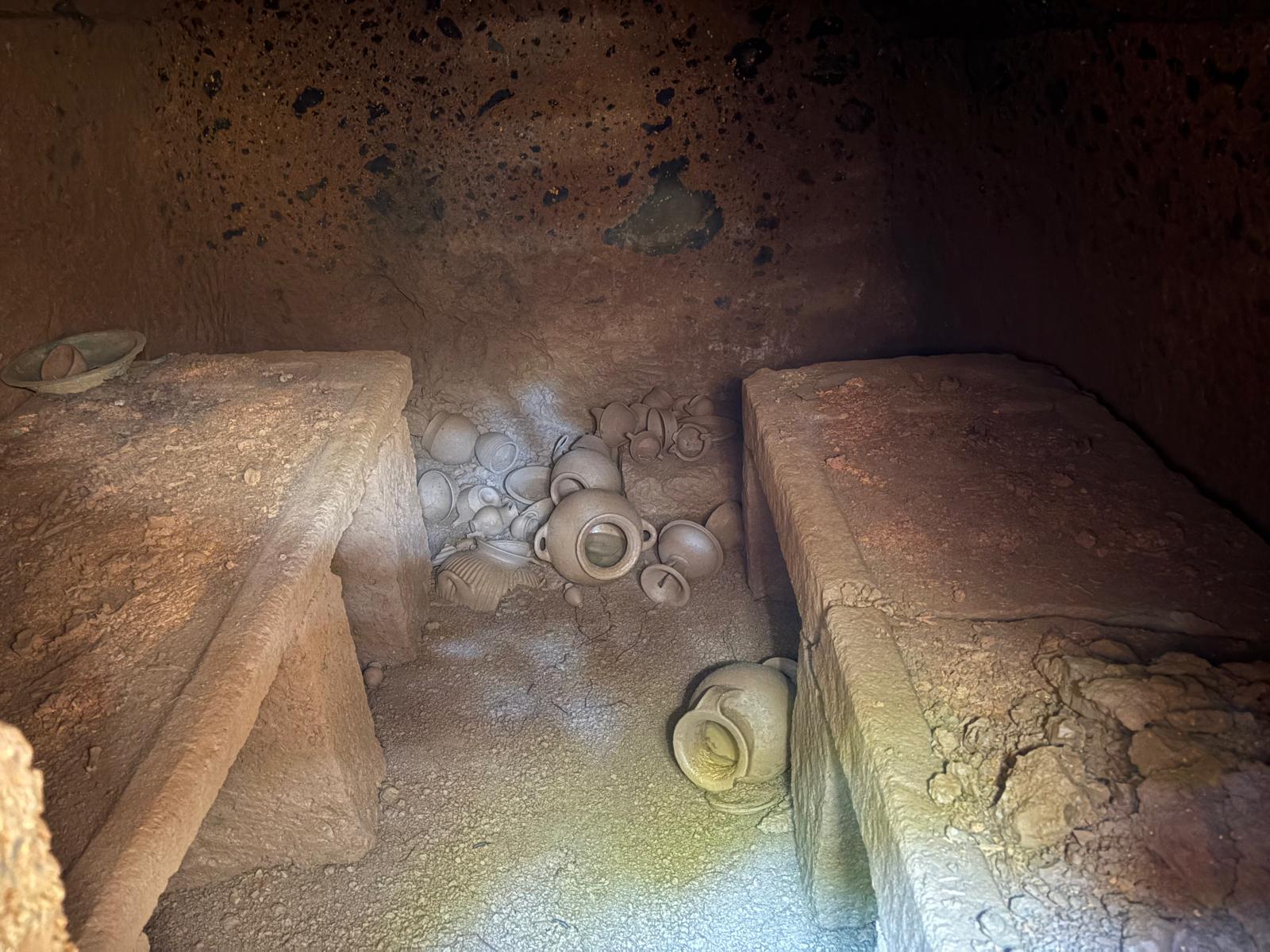
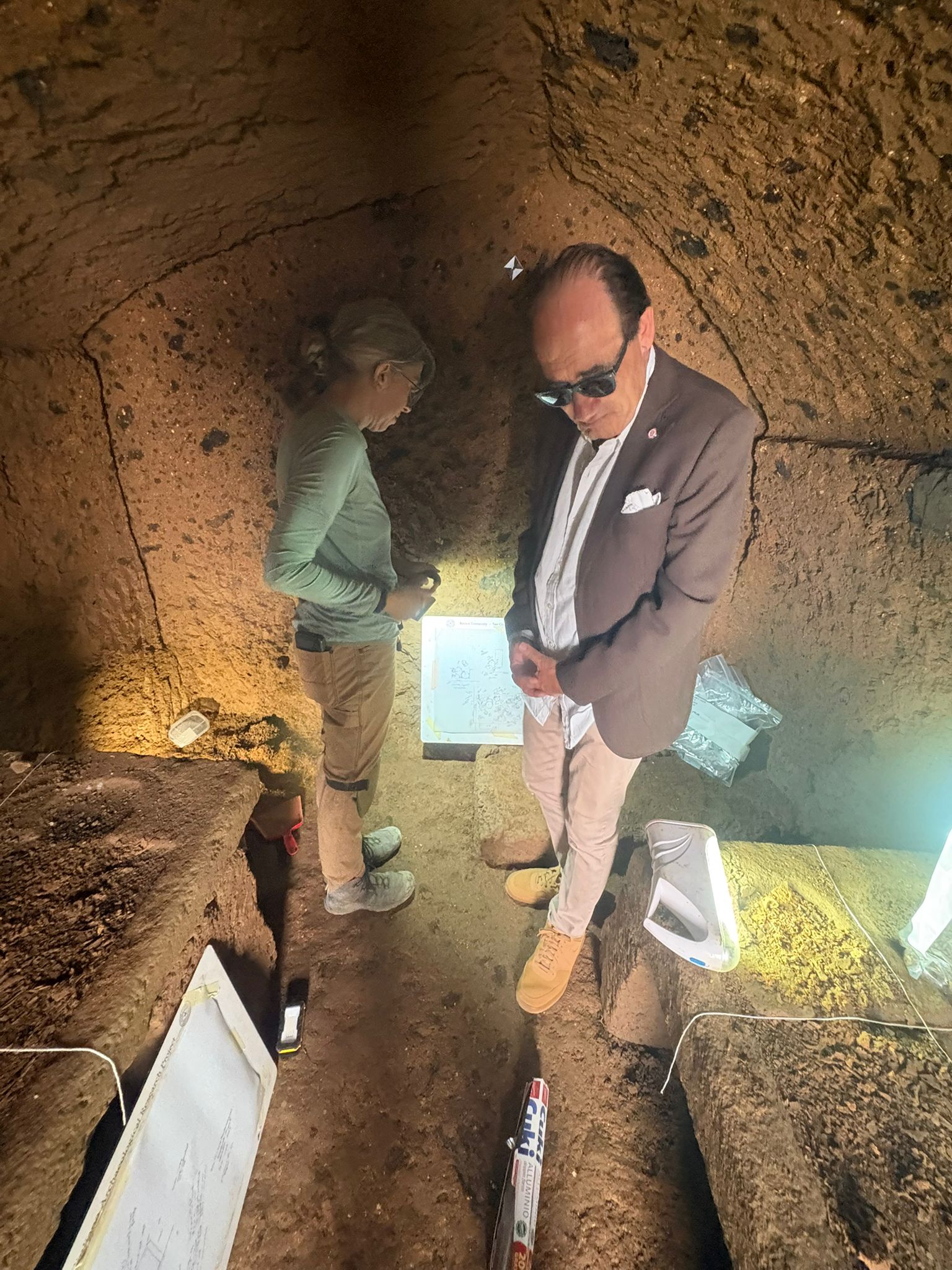
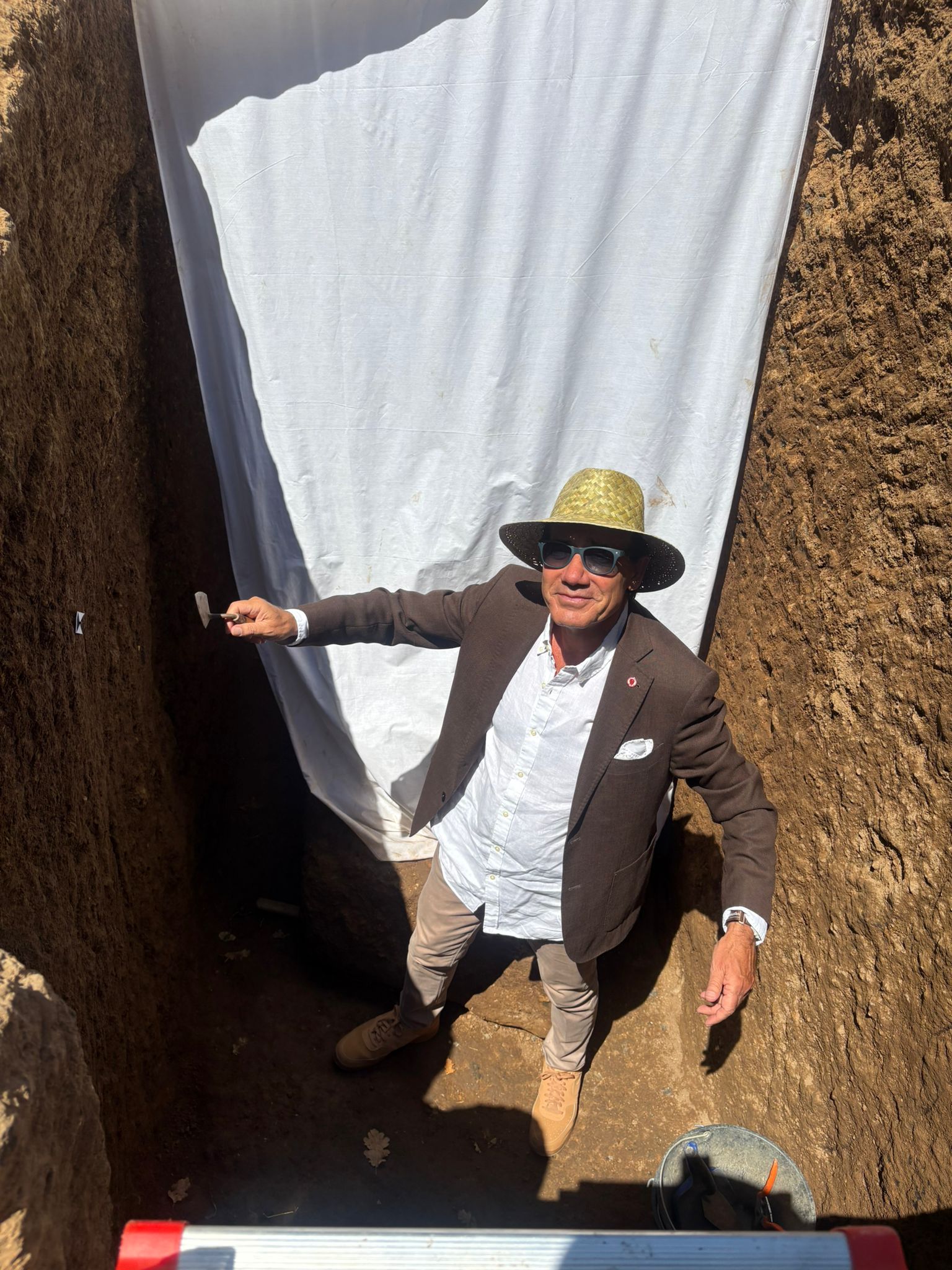
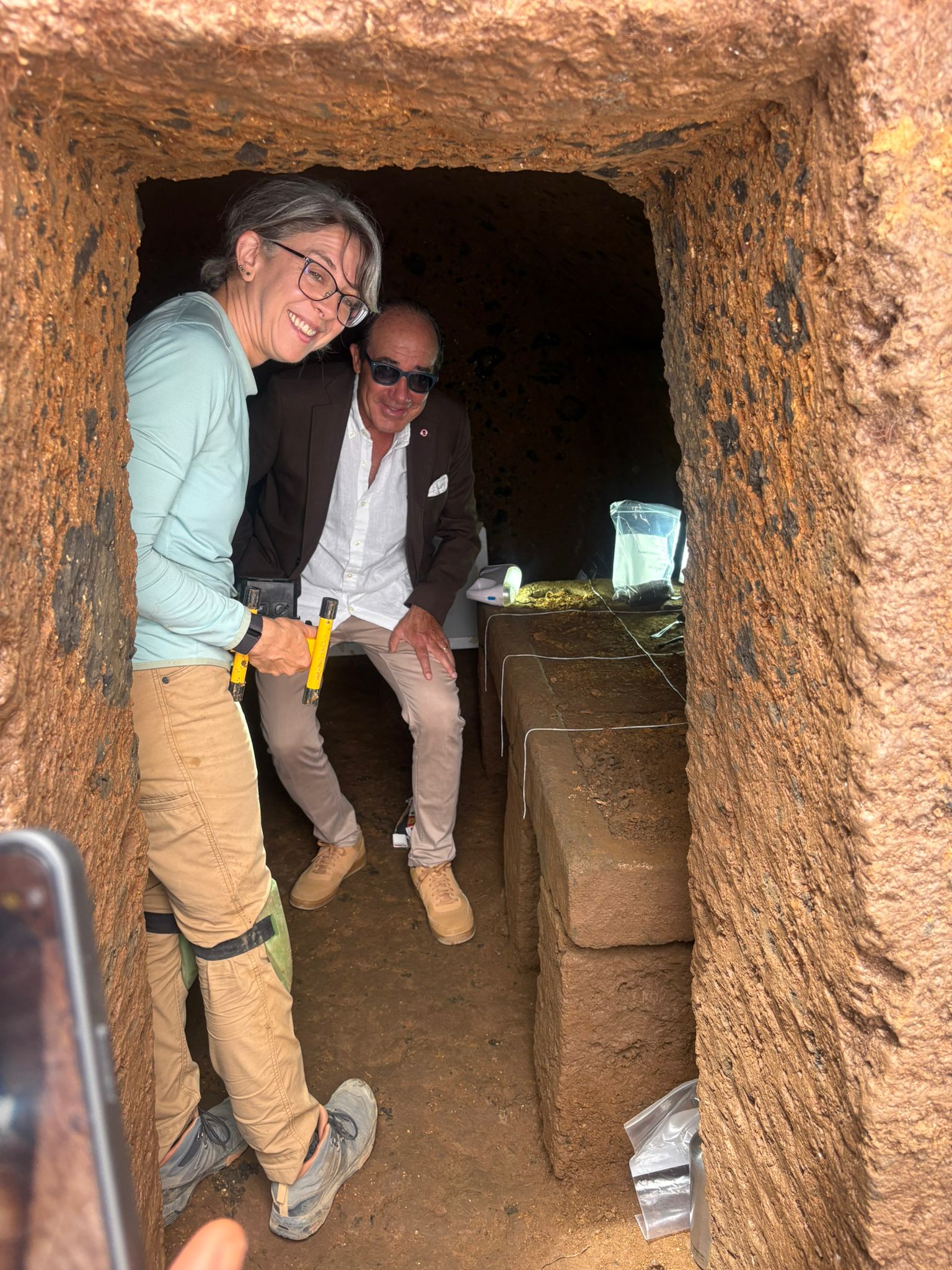
The tomb, which had remained sealed for over 2,600 years, revealed an intact burial chamber. “The fact that the tomb has never been entered, either in Roman times or more recently, is simply extraordinary”, says Davide Zori. “Access was via a deep corridor called a ‘dromos’, at the end of which the team found an intact tufa slab sealing the entrance to the burial chamber. Once the portal was removed, the tomb revealed remarkable grave goods and the remains of four individuals lying on beds carved in nenfro stone”.
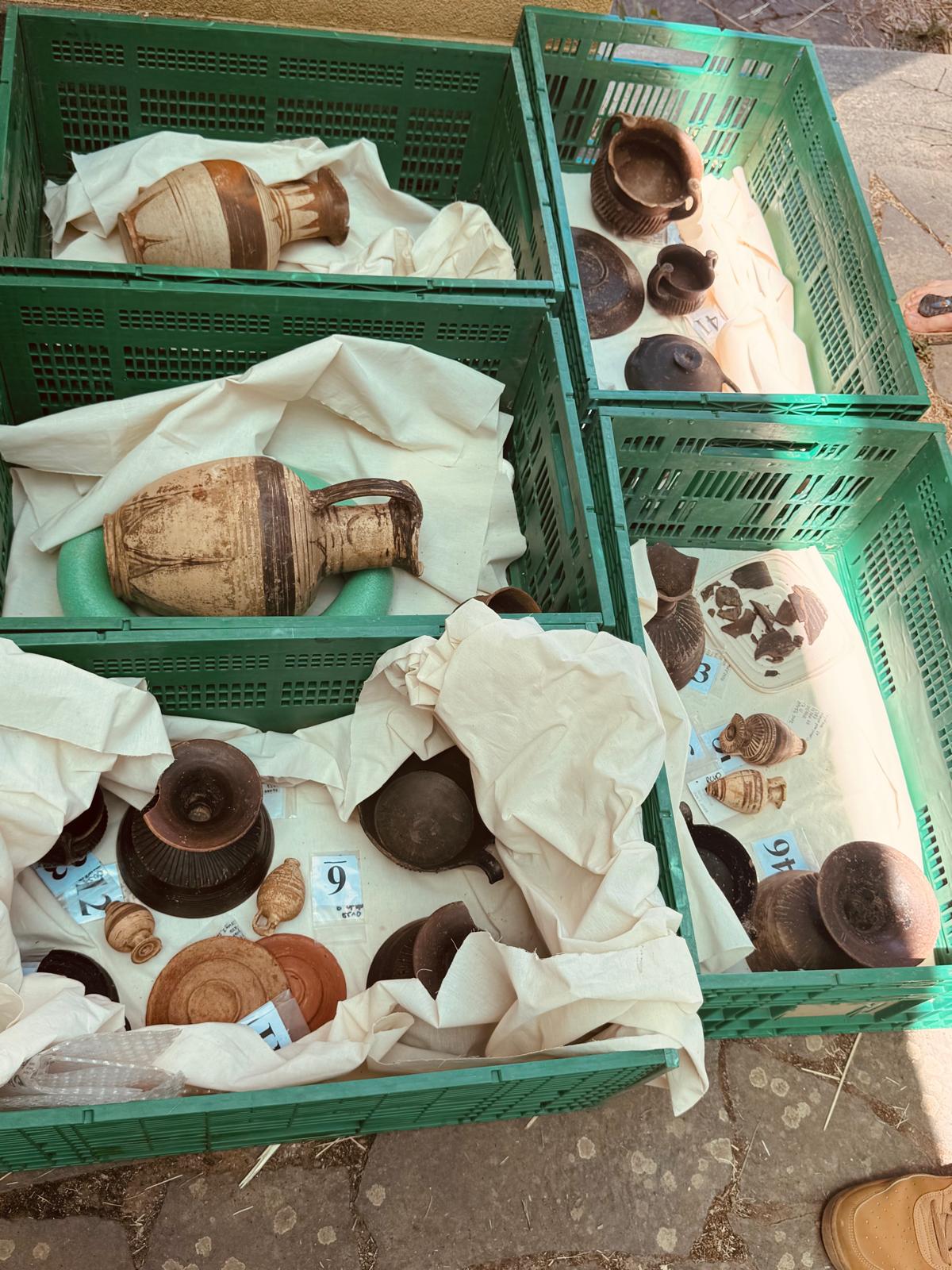
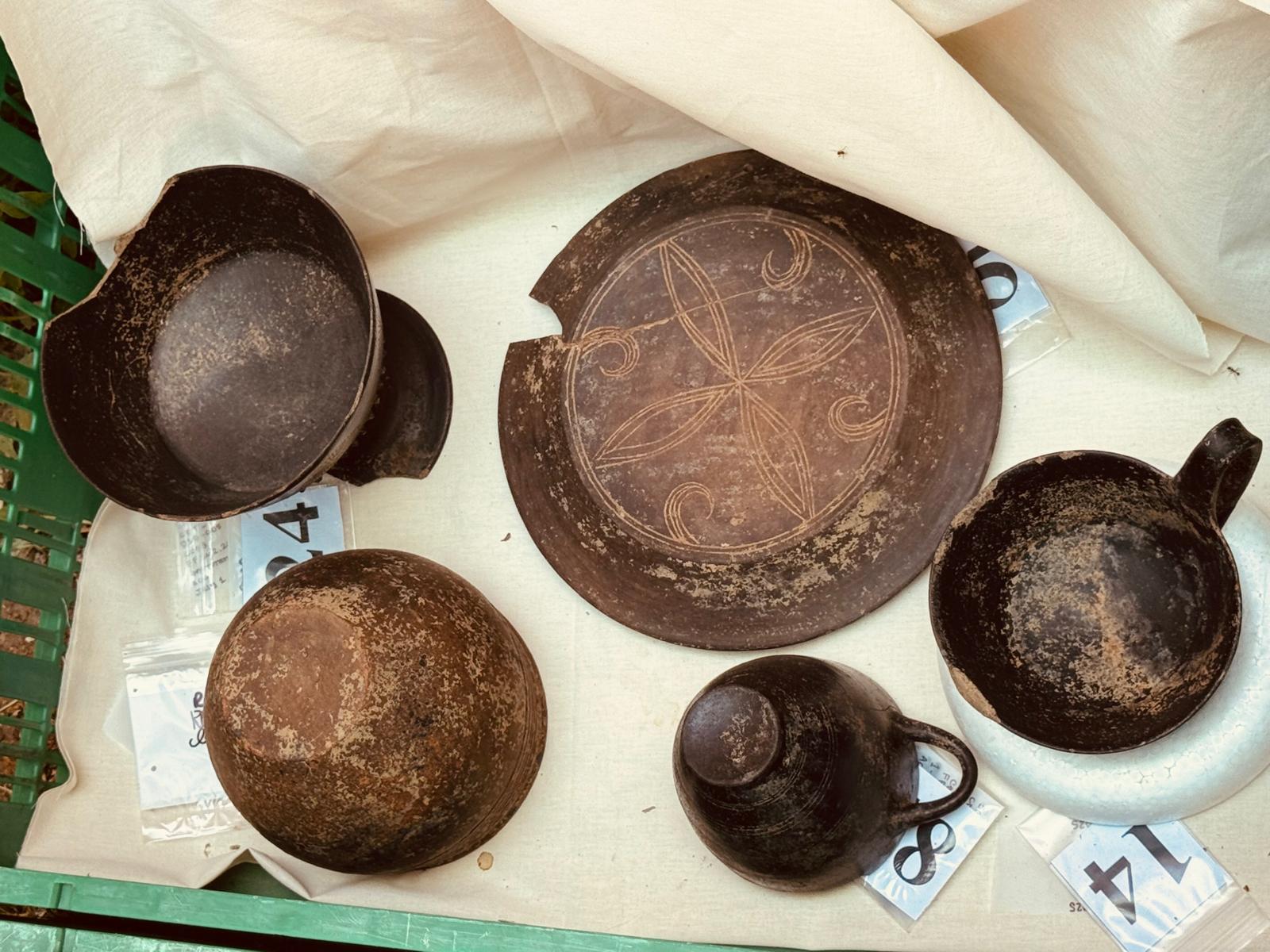
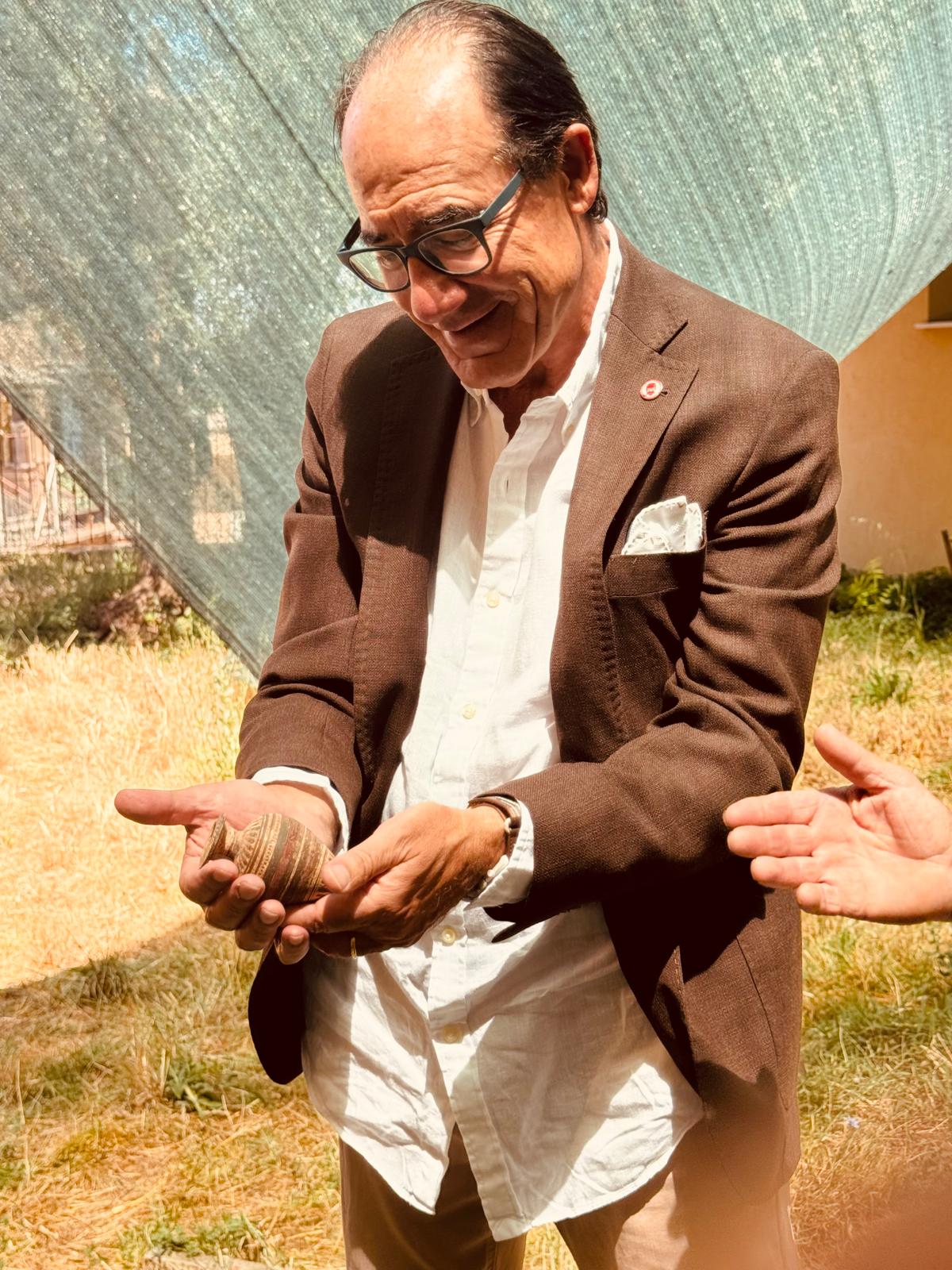
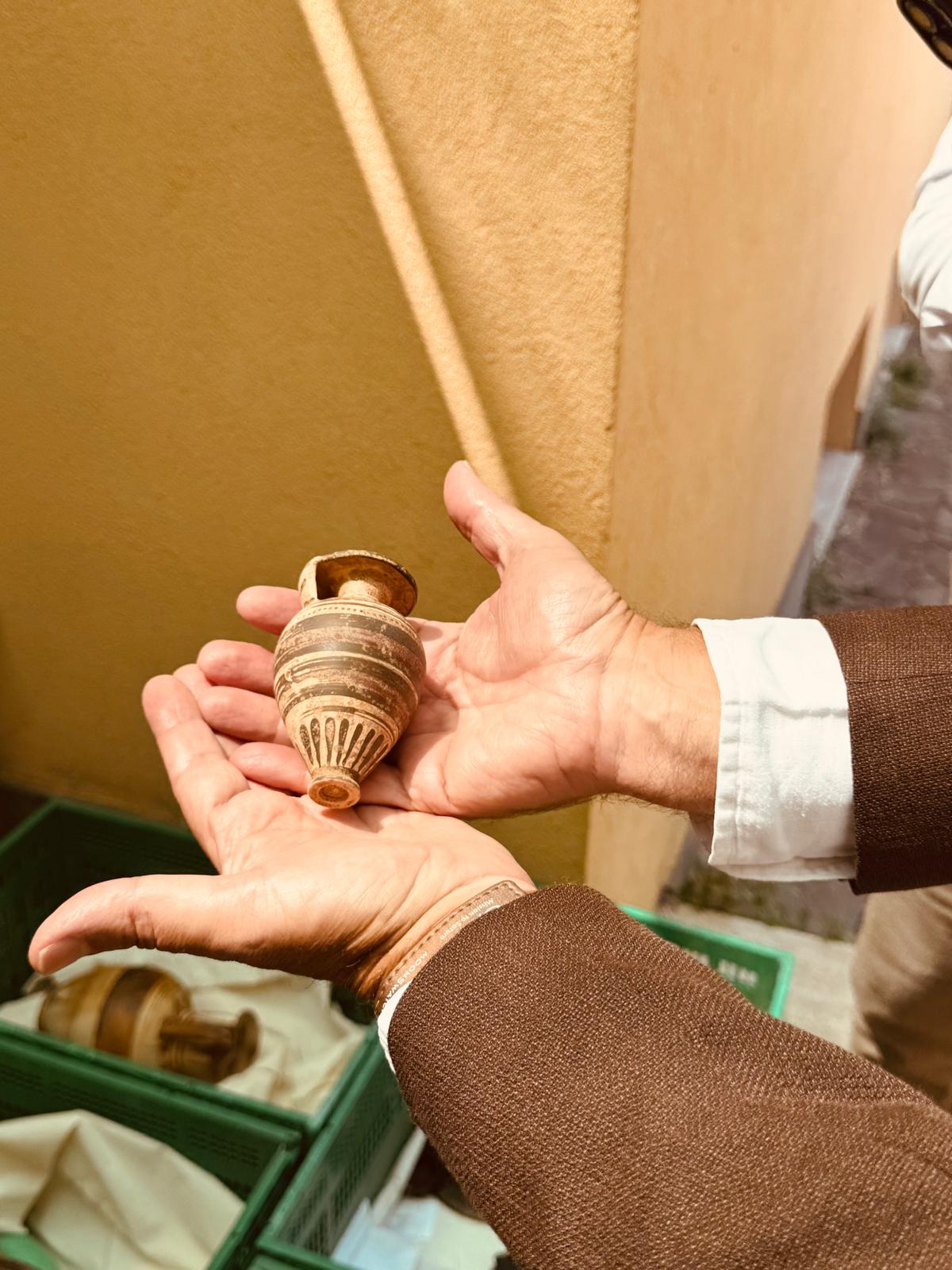
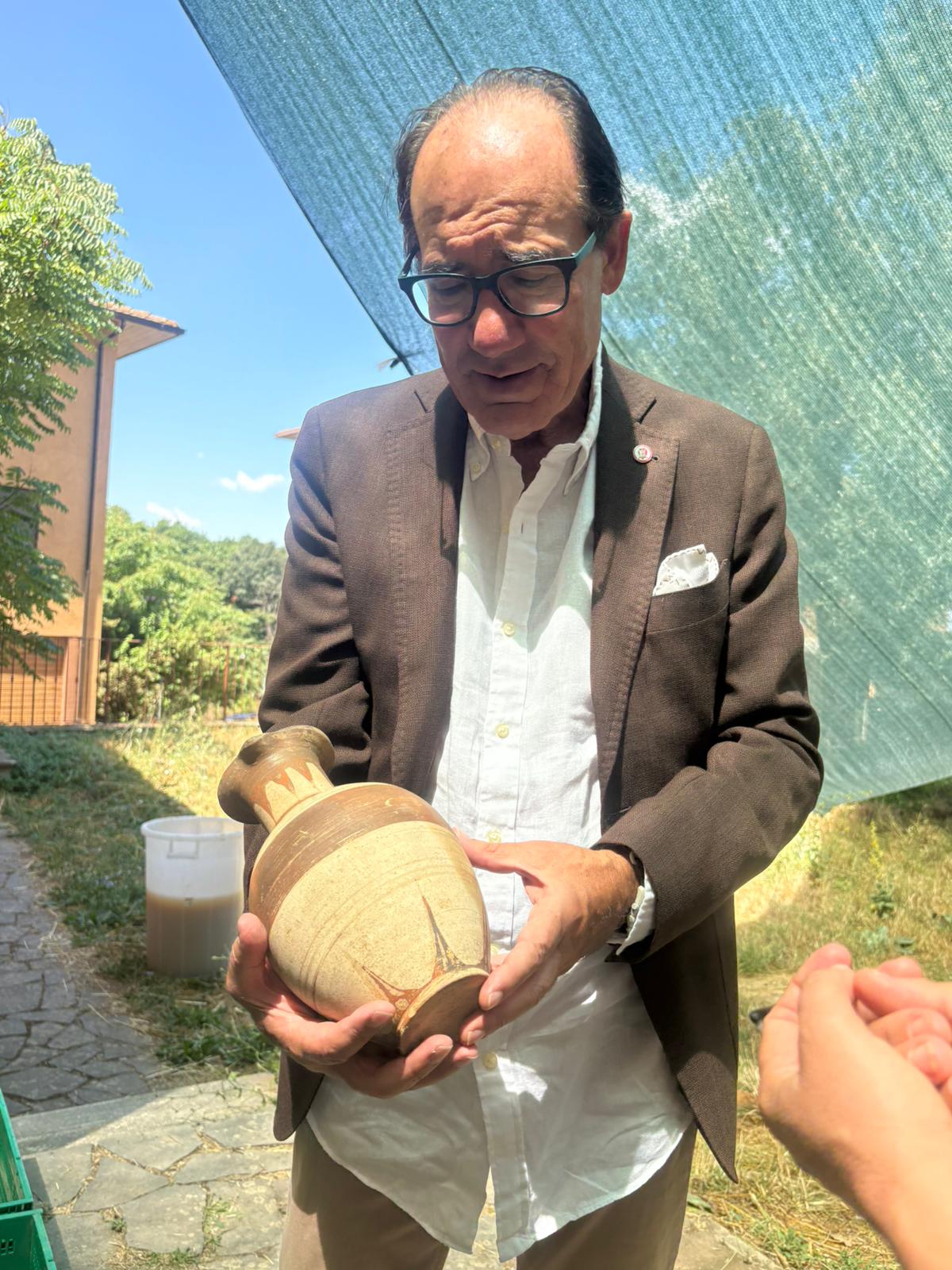
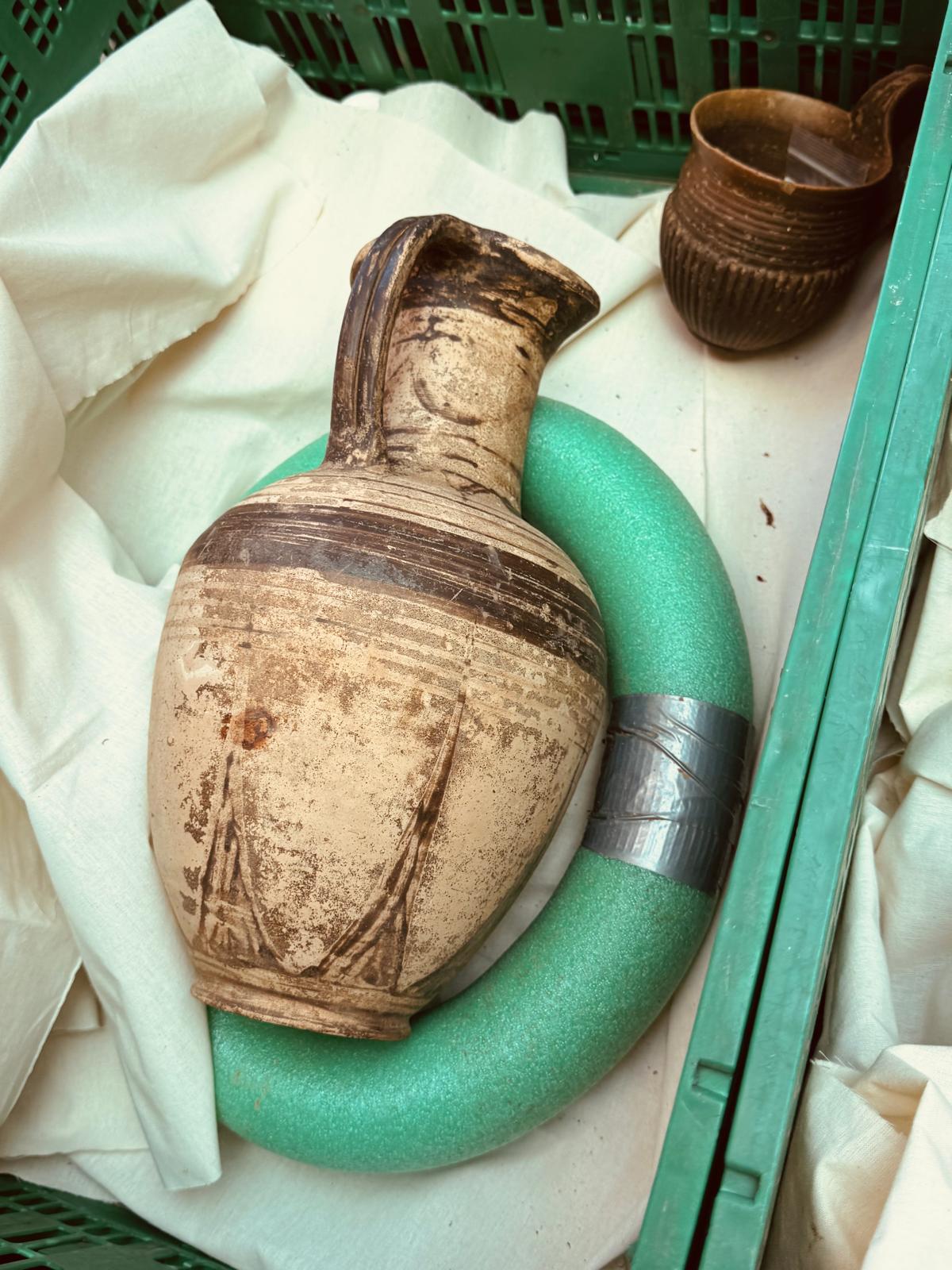
The grave goods currently include around 75 finely decorated ceramic vessels, a bronze basin, ten bronze and two iron fibulae, two iron spearheads, two silver clasps, a leather headpiece, a spindle whorl, and glass paste beads. These ritual objects—the exact number of which is still being determined as the excavations continue—offer valuable insights into the Etruscan funerary world.
“The team was excavating in this area after a systematic census of the tombs in the necropolis, when a georadar analysis suggested the presence of a funerary route”, Zori continues. “That hypothesis was later confirmed by the excavation. The tomb has now been completely uncovered, but the study and analysis of the materials have only just begun”.
The Virgil Academy and the SGARP project
This discovery is the result of a collaboration between Baylor University and the Virgil Academy, which was founded by Gianni Profita. The partnership began with a chance meeting in Las Vegas in December 2006. During a visit to the United States with his family, Profita met Alden Smith, a classicist and lecturer at Baylor; it was a conversation about a Dostoevsky book that sparked their connection. From that initial exchange, a friendship was forged which, over time, evolved into a lasting cultural partnership. It was from this bond that the idea of a joint project to promote the participation of foreign universities in archaeological research in Italy took root.
To facilitate this, Profita founded the Virgil Academy in 2015, operating as a support platform for foreign universities interested in conducting field research in Italy.
“Virgil Academy aims to be a cultural and logistical guide for international universities wishing to explore and study Italy’s archaeological heritage in depth. Our goal is to facilitate access to research at archaeological sites of great historical value and thus contribute to the protection and promotion of these sites”, says Profita.
The synergy between Virgil Academy and Baylor University resulted in the establishment of the San Giuliano Archaeological Research Project (SGARP) in 2016.
A virtuous model of cultural partnership
The San Giuliano area, which contains over 580 documented Etruscan tombs and significant medieval remains, was chosen by Zori and Profita for its exceptional historical layering.
“The aim of the SGARP project is to trace the long-term transformations in the human occupation of the San Giuliano plateau and the surrounding hills”, Zori explains. “The project aims to investigate the Etruscan settlement and understand subsequent transitions, such as incorporation into the Roman Empire, modifications to the medieval settlement system and final abandonment of the site shortly before 1300 AD. This is an extraordinary scientific opportunity, and I can only thank Profita for his support and for the crucial role of the Virgil Academy in making this possible”.
“Since 2016, Barbarano and its community have embarked on an important journey thanks to the SGARP project, carried out by the Virgil Academy and Baylor University, which has led to the rediscovery of our extraordinary stone necropolises”, says Rinaldo Marchesi, mayor of Barbarano. “Thanks to our collaboration with the Virgil Academy, Baylor University, the Superintendency, the Regione Lazio, the Marturanum Regional Park (for which our municipality is the managing body) and, as of this year, the Province of Viterbo as well, our history and cultural heritage are finally receiving the recognition they deserve. I believe that, considering the grandeur of our necropolises and their extraordinary archaeological and architectural richness, we can infer that more than one Etruscan city once stood within our geographical area: probably Marturanum, located where Barbarano is today, and Cortuosa or Contenebra, located near the site of San Giuliano”.
The discovery of the site at Barbarano Romano is a virtuous example of cooperation between Italian institutions and foreign universities, and demonstrates the importance of promoting areas that are still off the beaten tourist track but have strong scientific, cultural and educational potential. “If with UniCamillus I want to look to the future, with Virgil Academy I do not forget the past, promoting an idea of culture that connects knowledge, local areas and international scientific communities”, Profita concludes.
With a cultural vision that embraces education, sustainability and international cooperation, Virgil Academy will continue to support archaeological projects that generate knowledge, protection and local development.
Gallery