


Facial aesthetic medicine is undergoing a period of profound transformation. Moving away from the notion of procedures aimed solely at aesthetic improvement, the sector is increasingly adopting an integrated approach that recognises anatomy, function and harmony as inseparable elements. It is in this context that UniCamillus’s CPD second-level course in ‘Facial Aesthetic Medicine: Theory and Innovative Practice’ has been launched—a programme designed to provide professionals with advanced skills and multidisciplinary training in a constantly evolving field.
The aim of the CPD course is to train specialists capable of approaching aesthetic medicine with scientific rigour, in-depth knowledge of anatomy and a focus on personalised treatments. The programme combines theoretical study, practical activities and direct engagement with the latest innovations in the field, fostering a comprehensive and up-to-date education.
A distinctive feature of the course is its strong links with the international scientific community.
Training is not limited to university lectures, but extends to attending conferences, specialist events and opportunities to engage with some of the leading experts in aesthetic medicine. This approach enables participants to learn about the latest trends and best clinical practices, developing a concrete and up-to-date understanding of the profession.
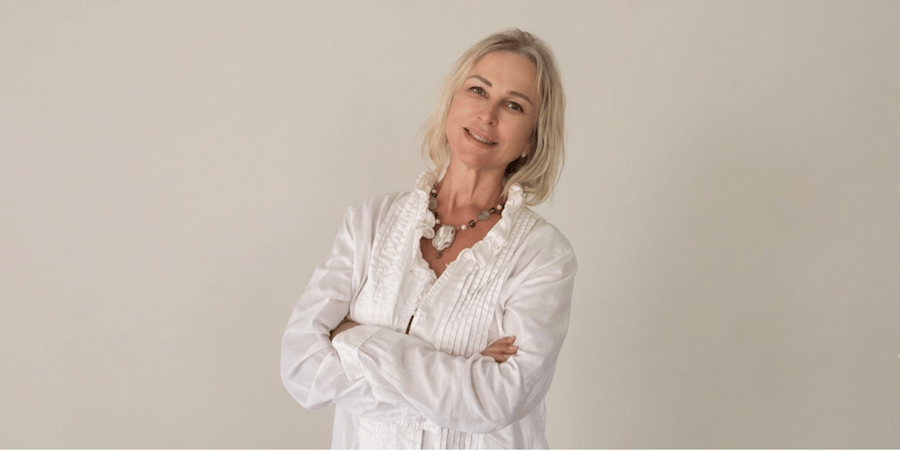
The scientific director of the CPD course is Dr Giovanna Franceschelli, a dentist, aesthetic medicine specialist and lecturer at UniCamillus. Her professional and academic work is based on a clear philosophy: aesthetic medicine should not transform a person’s face, but rather enhance their identity through treatments that are harmonious and respectful of individual characteristics. According to her, every treatment must be based on a thorough understanding of anatomy and continuous dialogue with the patient, with the aim of supporting the natural ageing process without altering the person’s expressiveness and distinctive features.
Article republished from Associated Medias