


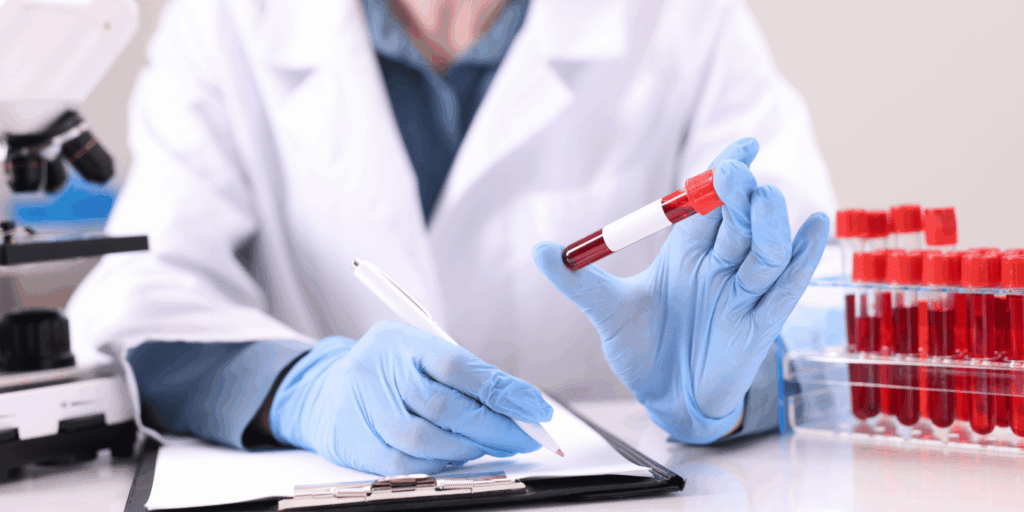
UniCamillus University is among the key partners in the PETRA Project (Educational Strategic Program for Appropriate Plasma Transfusion), a research initiative funded by the Italian National Blood Centre under the 2024–2025 call and officially launched in 2026.
The project, coordinated by ASST Valle Olona as the lead institution of a national network of hospital trusts, sees UniCamillus University as the only academic partner. The Medical University plays a central role in designing and developing clinical education pathways for healthcare professionals.
The context: managing a precious and limited resource
The PETRA Project was created to systematically analyze the use of blood plasma for clinical transfusion in Italian hospitals, with the aim of reducing inappropriate administration. Scientific evidence shows that this valuable resource is sometimes used outside guideline recommendations, when safer and more targeted therapeutic alternatives could be applied.
“In Italy, the availability of plasma—and especially plasma derivatives—is limited, and the healthcare system partially depends on foreign supply. It is therefore essential to ensure a strict and appropriate use of this strategic blood component, which, although safe, is not free from potential risks for patients,” explains Prof. Matteo Bolcato, Associate Professor of Legal Medicine at Matteo Bolcato and scientific lead of the project together with Dr. Ivo Beverina of the transfusion service at ASST Valle Olona.
UniCamillus’ contribution: education and clinical ethics
Together with its partners, UniCamillus University will lead the training component of the project, translating scientific evidence into a structured clinical education program for prescribing physicians. This will include operational tools such as guidelines, informational materials, webinars, and continuous professional development activities.
“With the PETRA Project, our University puts its educational expertise at the service of a crucial national challenge,” states Rector Gianni Profita. “Training physicians in the appropriate use of plasma is not only a clinical choice, but an ethical duty to protect a limited resource that is also essential for the production of life-saving plasma-derived medicinal products. Our goal is to ensure maximum patient safety and strengthen the sustainability of the entire healthcare system.”
Future developments and the national network
Based on data collected across clinical centers, the project aims to define indicators of plasma transfusion appropriateness, develop monitoring tools, and structure a comprehensive data collection system.
This initiative is embedded in an international context marked by growing attention to patient safety, personalized medicine, and the One Health approach, in full alignment with the latest European regulations on Substances of Human Origin (SoHO regulations). In this scenario, transfusion appropriateness represents a critical issue not only from a clinical perspective, but also from organizational and medico-legal standpoints.
The multicenter and high-impact nature of the project is ensured by the involvement, in addition to UniCamillus University and ASST Valle Olona, of major national hospital institutions including ASST Fatebenefratelli Sacco, Azienda USL di Bologna, Policlinico di Bari, and Azienda Ospedaliera Villa Sofia-Cervello.