


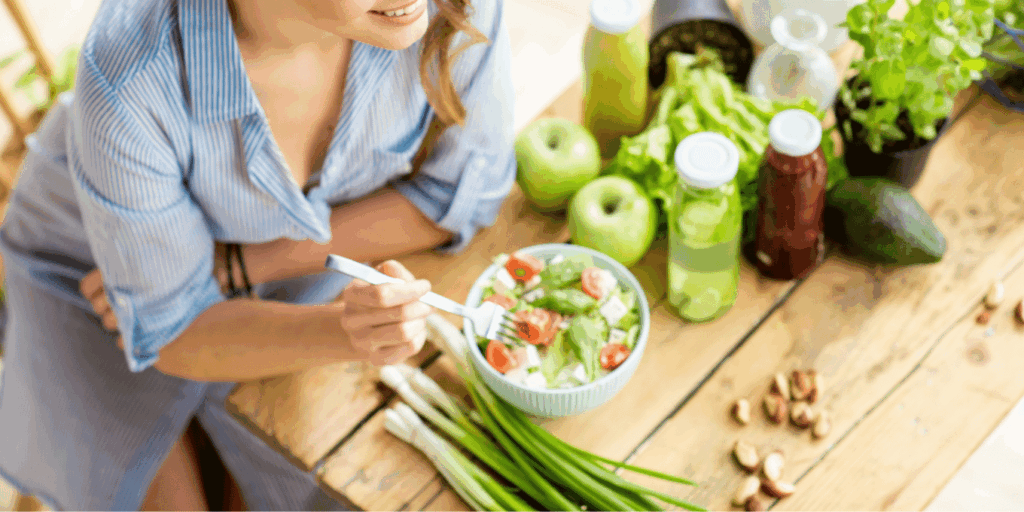
What happens when the summer heat makes you lose all desire to cook? Quick summer recipes become a must. But not just any meal will do: during the summer, the body needs fresh, hydrating, and easily digestible foods that provide energy without weighing down digestion. Although the idea of a quick summer lunch may suggest something thrown together at the last minute, it is important to remember that convenience should never come at the expense of nutritional balance.
To explore the topic in greater depth, we spoke with Professor Loreto Nemi, nutritionist and lecturer at UniCamillus University, who shared his scientific insights.
Quick Summer Lunch: What Should You Eat When It’s Hot?
A quick summer lunch should be balanced, light, and rich in nutrients that the body can easily absorb while coping with heat stress.
“In summer, it is important to increase the consumption of foods rich in water, vitamins, minerals, and antioxidant compounds,” explains Professor Loreto Nemi. “High temperatures cause our bodies to lose more fluids through perspiration, making it essential to follow a diet that promotes proper hydration.”
The ideal choices include:
- Seasonal fruit, such as watermelon, melon, peaches, and apricots, which are rich in water, minerals, and micronutrients such as beta-carotene, a precursor of vitamin A that also helps protect the skin from sun damage.
- Vegetables, including cucumbers, tomatoes, and lettuce, which are rich in water and potassium and help maintain hydration.
- Lean protein sources, prepared using light cooking methods, such as white meat, fish, low-fat cheeses, eggs, and, of course, plant proteins from legumes.
- Whole grains, preferably cooked in advance and used in cold salads.
With this approach, a summer lunch should never be heavy or high in saturated fats, as these slow digestion and increase the sensation of heat. Instead, quick summer recipes based on these ingredients help maintain steady energy levels throughout the working day.
What Can You Eat Instead of Pasta in Summer?
For pasta lovers, summer certainly doesn’t have to mean giving it up. However, to avoid feeling like you’re sitting in a sauna while eating, it’s better to opt for cold pasta salads, or dishes made with spelt, barley, or couscous. Variety also provides a broader range of nutrients, contributing to a more complete and balanced diet.
“My advice is to cook these grains in advance, let them cool, and freeze them,” Professor Nemi suggests. “That way, you’ll always have them ready to prepare fresh, quick salads.”
This makes a quick summer lunch not only easier to prepare—even when temperatures reach 40°C (104°F)—but also more digestible and richer in fibre.
Foods to Avoid During the Summer
When temperatures rise, it is advisable to avoid:
- Fried foods
- Very fatty dishes
- Cured meats
- Alcoholic beverages
“These foods are more difficult to digest, which increases the body’s perception of heat,” adds Professor Nemi. Alcohol, in particular, interferes with the body’s ability to regulate temperature and can worsen dehydration.
For a healthy light summer lunch, it is important to reduce the consumption of ultra-processed foods and instead favour simple, fresh preparations while limiting saturated fats and heavy dressings.
Quick Summer Recipes: Three Ideas for Every Dietary Preference
To prepare a summer lunch in just a few minutes without sacrificing flavour or nutritional balance, Professor Nemi recommends three healthy recipes that are perfect for hot weather.
Mediterranean Couscous with Chickpeas and Vegetables (Vegan)
For a fresh, entirely plant-based option, this vegan recipe combines the lightness of 50 g of couscous with the heartiness of 120 g of cooked chickpeas, enhanced by a colourful, crunchy mix of tomatoes, cucumber, bell pepper, and carrot. Fresh mint, parsley, lemon juice, chopped almonds, and a drizzle of extra virgin olive oil add brightness and flavour.
The strength of this dish also lies in its nutritional value: combining legumes and grains improves the overall protein quality of the meal, providing complete nourishment without feeling heavy.
Spelt Salad with Smoked Salmon and Cherry Tomatoes (Omnivorous)
If you prefer an omnivorous yet equally balanced option, this recipe offers an excellent combination of flavours and nutrients. It features 80 g of wholegrain spelt—an ancient grain naturally rich in fibre—paired with 100 g of smoked salmon. Cherry tomatoes, celery, and carrots provide freshness, while pumpkin seeds add crunch and extra virgin olive oil brings everything together, creating a perfectly balanced dish that can be prepared in advance and enjoyed cold on warm summer days.
Barley Salad with Feta, Eggs, and Vegetables (Vegetarian)
Finally, here’s a hearty and refreshing vegetarian option. This recipe combines 80 g of barley with 50 g of Greek feta cheese and one hard-boiled egg to provide an excellent source of protein. Fresh zucchini and green beans complete the dish, while mixed seeds add crunch and a drizzle of extra virgin olive oil finishes it off.
Professor Nemi concludes by emphasizing that the simplicity of cold dishes is the best strategy for coping with the summer heat without sacrificing essential nutrients, demonstrating that summer cooking can be practical, quick, and exceptionally healthy.