


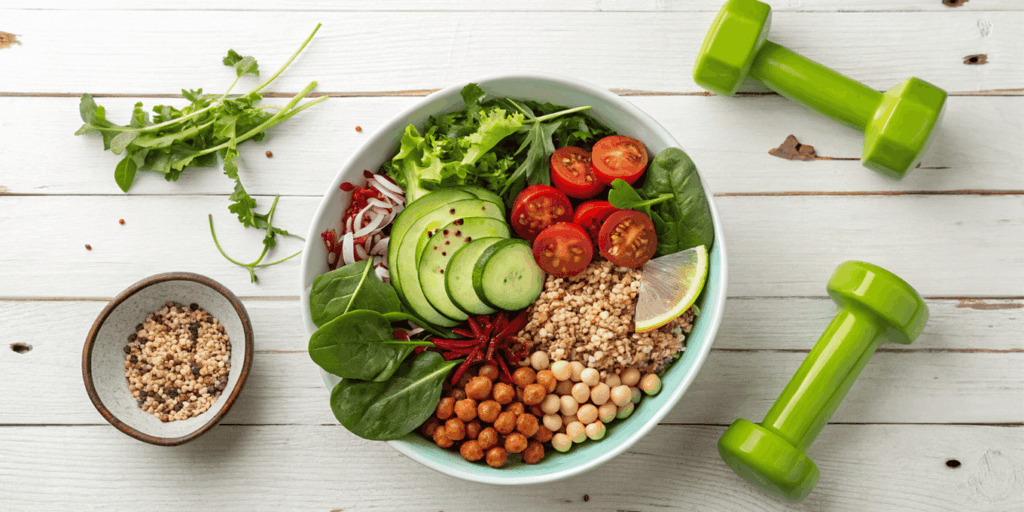
Who hasn’t heard of ‘superfoods’? Now a common buzzword, the term refers to foods that are particularly rich in nutrients and bioactive compounds such as polyphenols, omega-3s and anti-inflammatory substances, which help protect the body from oxidative stress and cellular ageing.
To learn more, we asked Dr Loreto Nemi, a nutritionist and lecturer at UniCamillus University, to share his scientific expertise with us.
What is a superfood?
While the term ‘superfood’ has become familiar in recent years, this is partly due to marketing surrounding wellness and food. However, the scientific community prefers a more precise and less simplified approach, taking the overall nutritional balance into account.
“The term ‘superfood’ is mainly used in marketing to refer to foods that are rich in nutrients or bioactive compounds that have a beneficial effect on health”, said Dr Nemi. It is not a term recognised in medicine; for this reason, it is more accurate to speak of foods with high nutritional density, capable of providing a significant intake of vitamins, minerals and protective substances. “The key point is that there is no single miracle food that contains all beneficial properties and can improve health in an absolute sense”, noted Dr Nemi.
Even the best-known health foods, often associated with superfoods, must therefore be considered within the context of an overall diet. “Often, when we talk about superfoods, we think of ginger, chia seeds and green tea. It’s true that they contain beneficial compounds, but on their own they are not enough to have a meaningful positive impact on health”, continued Dr Nemi.
Which foods are good for you?
Dr Nemi highlights the most common superfoods, which are among the foods most extensively studied for their health-protective properties:
- Green leafy vegetables, rich in folate, magnesium and antioxidants that help protect cells from damage caused by free radicals;
- Berries, a source of polyphenols and anthocyanins, antioxidants that help reduce inflammation and oxidative stress;
- Pulses, an excellent source of plant-based protein, fibre and phytosterols—plant molecules that help regulate blood cholesterol levels;
- Nuts and oilseeds, rich in healthy fats, vitamin E and minerals beneficial for the heart, brain and skin;
- Small oily fish, a source of omega-3 essential fatty acids that support cardiovascular and brain health;
- Extra virgin olive oil, a key component of the Mediterranean diet, rich in polyphenols and monounsaturated fatty acids with antioxidant and anti-inflammatory properties.
“These foods form the heart of the traditional Mediterranean diet, one of the most widely studied dietary patterns and one that has been associated with greater longevity”, explained Dr Nemi. Incorporating these foods into your daily diet therefore means adopting a balanced and sustainable nutritional approach based on natural, seasonal produce combined in a thoughtful way.
Specific superfoods: foods that heal
The key to understanding how we can promote targeted prevention through our diet is moving from ‘foods that are good for you’ to foods recommended for specific conditions or illnesses. With the help of Dr Nemi, we have compiled lists of foods that benefit certain bodily functions. Of course, these foods should only be considered beneficial when included as part of a varied and balanced diet.
Anti-cancer foods
Some foods contain bioactive compounds which, according to scientific studies, may help protect cells and support general health. While they are not miracle cures or preventative measures, they do offer tangible benefits when incorporated into one’s diet.
Here are some of the main foods and their compounds:
- Broccoli, cabbage and cauliflower (cruciferous vegetables), which contain sulforaphane, a compound that laboratory studies have shown to inhibit the growth of cancer cells;
- Tomatoes, rich in lycopene, an antioxidant that helps protect cells from damage caused by free radicals;
- Garlic and onions, which contain sulphur compounds that support the immune system and have anti-inflammatory properties;
- Green tea, a source of catechins, powerful natural antioxidants that help protect cells from oxidative stress.
The best antioxidants
Antioxidants are substances that protect cells from oxidative stress, slow down the ageing process and support general health. They are mainly found in brightly coloured plant-based foods.
The foods richest in antioxidants include:
- berries
- pomegranate
- unsweetened cocoa
- green tea
- leafy green vegetables
- extra virgin olive oil
“Rather than focusing on a single food, it is beneficial to vary the colours of your fruit and vegetables throughout the week”, explains Dr Nemi. “This way, you get a mix of different antioxidants that work together to protect your body”.
Foods for heart and circulatory health
Some foods are particularly beneficial for cardiovascular health, helping to control cholesterol, blood pressure and inflammation.
The most recommended foods are:
- Small oily fish, rich in omega-3 and ‘good’ fats that support the heart and brain;
- Extra virgin olive oil, a source of monounsaturated fats and antioxidants;
- Nuts (particularly walnuts), a source of phytosterols—plant molecules similar to cholesterol that help reduce its absorption into the bloodstream;
- Pulses and whole grains, such as spelt and oats, rich in beta-glucans, soluble fibres that form a gel in the gut and help trap cholesterol before it enters the bloodstream.
The best natural anti-inflammatories
Some foods contain natural compounds that help reduce inflammation in the body, a process linked to numerous chronic diseases.
The main ones are:
- Turmeric, which contains curcumin, a recognised anti-inflammatory and antioxidant compound;
- Ginger, rich in gingerols—molecules that support the immune system and modulate inflammatory processes;
- Extra virgin olive oil, a source of polyphenols that help reduce inflammation at a cellular level.
Foods for prostate health
Some foods are often associated with benefits for prostate health. The most commonly recommended foods are:
- Tomatoes, rich in the aforementioned antioxidant lycopene;
- Pumpkin seeds, a source of zinc, an important mineral for the proper functioning of the prostate gland;
- Fish rich in omega-3 fatty acids, ‘good’ fats that support cardiovascular function and help regulate inflammation;
- Cruciferous vegetables, such as broccoli and cabbage, which contain well-known sulphur compounds with antioxidant properties.
Foods for kidney health
To support kidney function, certain foods are particularly recommended due to their content of water, fibre and plant compounds.
The most recommended are:
- Fresh fruit and vegetables, rich in water and minerals that help maintain proper fluid balance and kidney function;
- Wholegrains, a source of fibre and nutrients that support overall metabolism;
- Extra virgin olive oil, a source of healthy fats that help reduce inflammation.
“It is also essential to stay well hydrated, limit salt intake and avoid consuming excessive amounts of protein in order to protect kidney health in the long term”, warns Dr Nemi.
Foods for healthy eyesight
Certain nutrients are essential for eye health, helping to protect your vision from ageing and oxidative stress.
The main ones are:
- Lutein and zeaxanthin, antioxidants that protect the retina and reduce the risk of macular degeneration;
- Beta-carotene, a precursor of vitamin A, which is essential for night vision and maintaining corneal health.
Foods richest in these nutrients include carrots, spinach, kale, pumpkin and eggs.
Foods for hair
Hair health primarily depends on the intake of protein, iron, zinc and B vitamins—nutrients that are essential for the growth and strength of the hair shaft.
The most recommended foods are:
- Eggs and fish, excellent sources of high-quality protein and B vitamins.
- Pulses, rich in iron and plant-based protein;
- Nuts, a source of zinc and essential fatty acids;
- Green leafy vegetables, rich in iron, vitamins and antioxidants.
“Including these foods regularly in your diet helps support hair health, strengthening it and promoting growth”, highlights the expert.
Foods for brain health
Some foods have been linked to improved cognitive function and protection of brain cells.
The most recommended are:
- Small oily fish, rich in omega-3 fatty acids that support memory and neuronal function;
- Nuts, a source of essential fatty acids, vitamin E and antioxidants that protect neurons from oxidative stress;
- Berries, rich in anthocyanins and polyphenols—molecules with antioxidant and anti-inflammatory properties;
- Extra virgin olive oil, rich in polyphenols and monounsaturated fats that help reduce brain inflammation.
Foods for bone health
To maintain strong, healthy bones, it is essential to consume foods rich in calcium and vitamin D, as these nutrients support bone structure and mineralisation.
The most recommended foods are:
- Yoghurt and milk, rich in calcium and protein;
- Cheese, a concentrated source of calcium, but to be consumed in moderation;
- Green leafy vegetables, which provide calcium and other minerals;
- Almonds, rich in calcium and magnesium;
- Small oily fish, a source of vitamin D and omega-3 fatty acids.
“In addition to diet, physical activity and adequate exposure to sunlight are essential, as sunlight promotes the synthesis of vitamin D and helps keep bones strong over time”, concludes Dr Nemi.
So, what’s the conclusion? The real superfood is balance!
Having explored the most beneficial foods for the heart, brain, bones, eyes, hair and other organs, one key concept emerges: there is no single superfood that acts as a magic solution for all ailments. However, there is a practical nutritional strategy that really works.
An often-overlooked aspect is how foods interact with one another: certain nutrients are better absorbed when paired with specific foods. For instance, lycopene from tomatoes is more easily absorbed when consumed with extra virgin olive oil, and lutein from green leafy vegetables is more bioavailable when accompanied by healthy fats.
In practice, the real ‘superpower’ of the diet lies in the synergy of nutrients, seasonality and variety. It is not enough to choose the right foods; care must also be taken over how they are eaten and what they are eaten with. This small detail can have a significant impact on daily well-being and long-term health.